CRU experts recently shared their analysis on the top trends in the APAC commodity market at briefings in Singapore and Jakarta, providing a comprehensive APAC commodity outlook for the year ahead. A complex picture is emerging whereby traditional growth drivers are being reshaped by new economic realities and the accelerating pace of the energy transition.
One of the key trends identified is the shift in regional growth drivers. The long-held view of a single, dominant growth engine in Asia is giving way to a more nuanced reality. According to Henry Hao, CRU's Principal Economist, businesses must now track a multi-faceted regional landscape. He noted that while the China economic growth trajectory remains critical, the rising importance of ASEAN and India as demand centres is creating a more complex environment for commodity consumption.
This demand story is putting immense pressure on supply chains, particularly in the copper market. The focus is now shifting from long-term deficit forecasts to the immediate risks of new mine supply. Craig Lang, Principal in CRU’s Copper Concentrates Service, said the market balance is now highly sensitive to the timely delivery of new projects, as demand from grid infrastructure build-outs across Southeast Asia and the region's accelerating adoption of electric vehicles continues to grow.
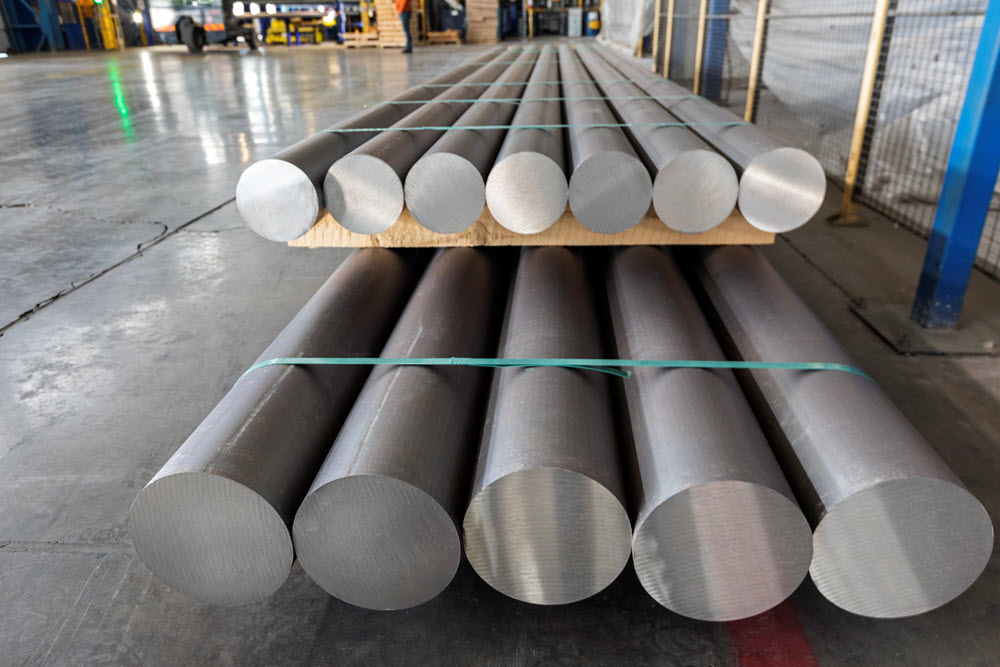
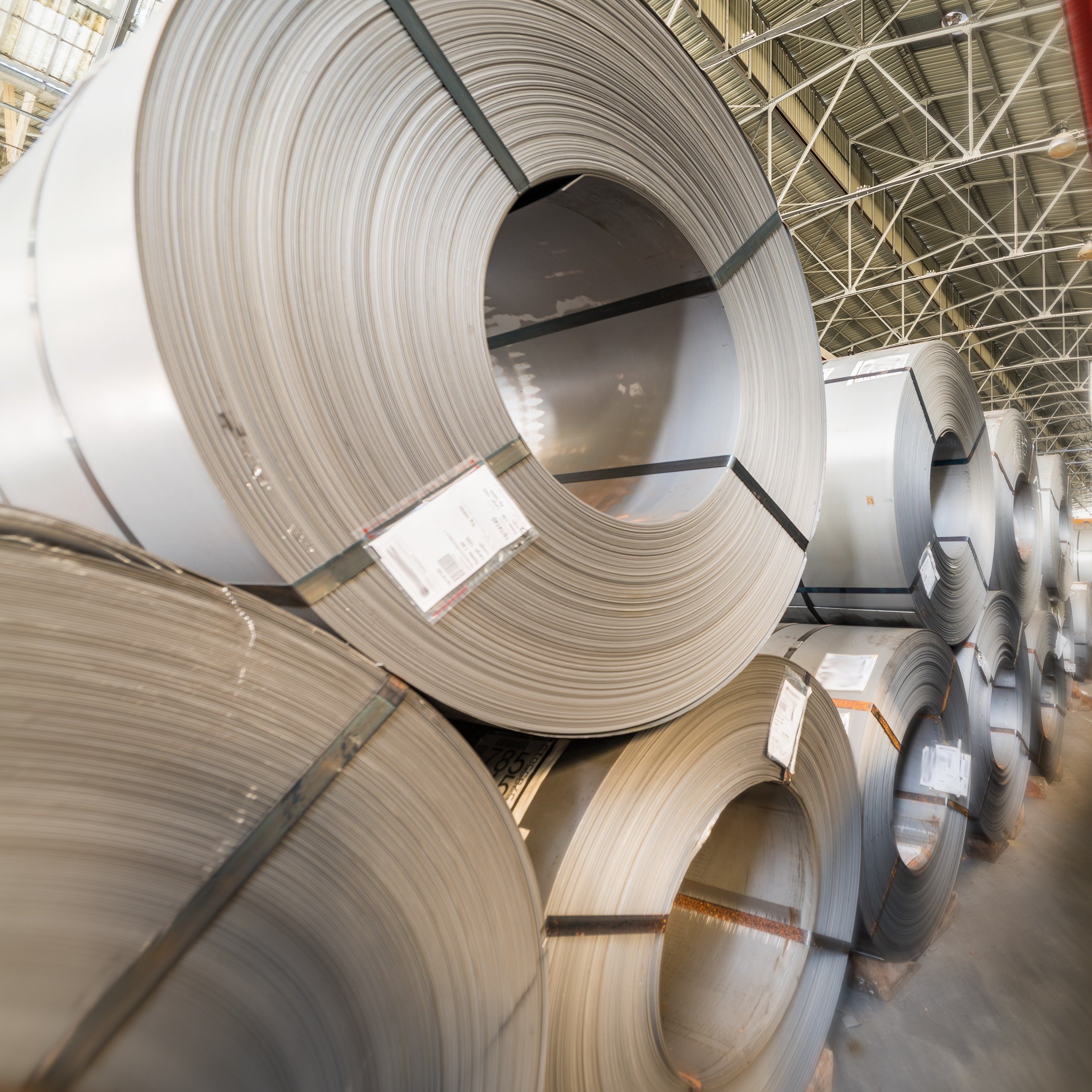
This theme of structural change is also redefining the aluminium market. The global cost curve is being fundamentally reshaped by energy costs and carbon policies – a trend with particular relevance in APAC. Guillaume Osouf, Principal in CRU’s APAC Network Development, explained that "national industrial strategies and strong demand from the regional packaging and automotive sectors are influencing investment decisions and the formation of local premiums for low-carbon aluminium.”
Nowhere is this regional focus more critical than in the battery materials sector. The Asia-Pacific region is central to the global supply chain, with significant investments flowing into processing capacity, particularly for Indonesian nickel. Xiaowei Mei, Lead in CRU’s Battery Value Chain Service, observed that these developments are critical variables that will influence market balances and pricing for the entire EV ecosystem.
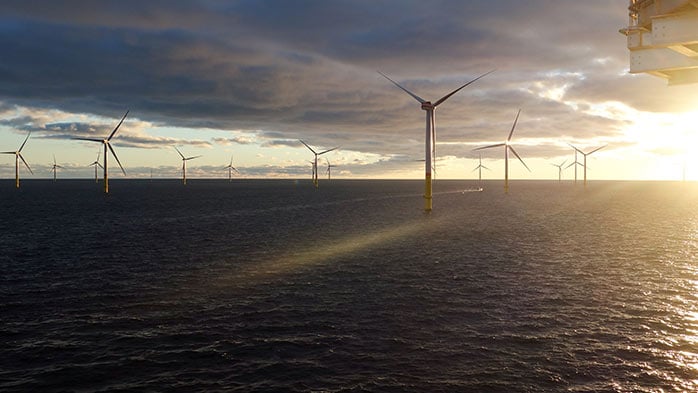
The principal theme is clear – interconnected challenges of macroeconomic policy, regional industrial strategies and decarbonisation require a more integrated analytical approach. For businesses looking to navigate this complex landscape, it is essential to understand these individual market stories as part of a cohesive whole to ensure strategic planning in 2026.
For more information on CRU’s analysis and how we can support your business, get in touch here.