Navigating uncertainty: Supply chain and price risks
The developing situation in the Middle East is creating significant uncertainty and has profound implications for global commodity markets, supply chains, and business planning. In such times, providing clear, independent analysis is our foremost commitment.
CRU offer in-depth regional expertise and data insights to assess the fast-moving market dynamics. Our experts are closely monitoring all developments to deliver the latest information and data-driven intelligence.
Through our ongoing analysis and topical webinars, we will continue to provide the clarity required to navigate the risks and challenges ahead.
Latest webinars

Q&A Webinar: How conflict in the Middle East will affect the metals industry
The conflict in the Middle East has thrown a sharp focus on energy prices, the impact on the economic outlook and other key industries including aluminium, steel, and optical fibres.
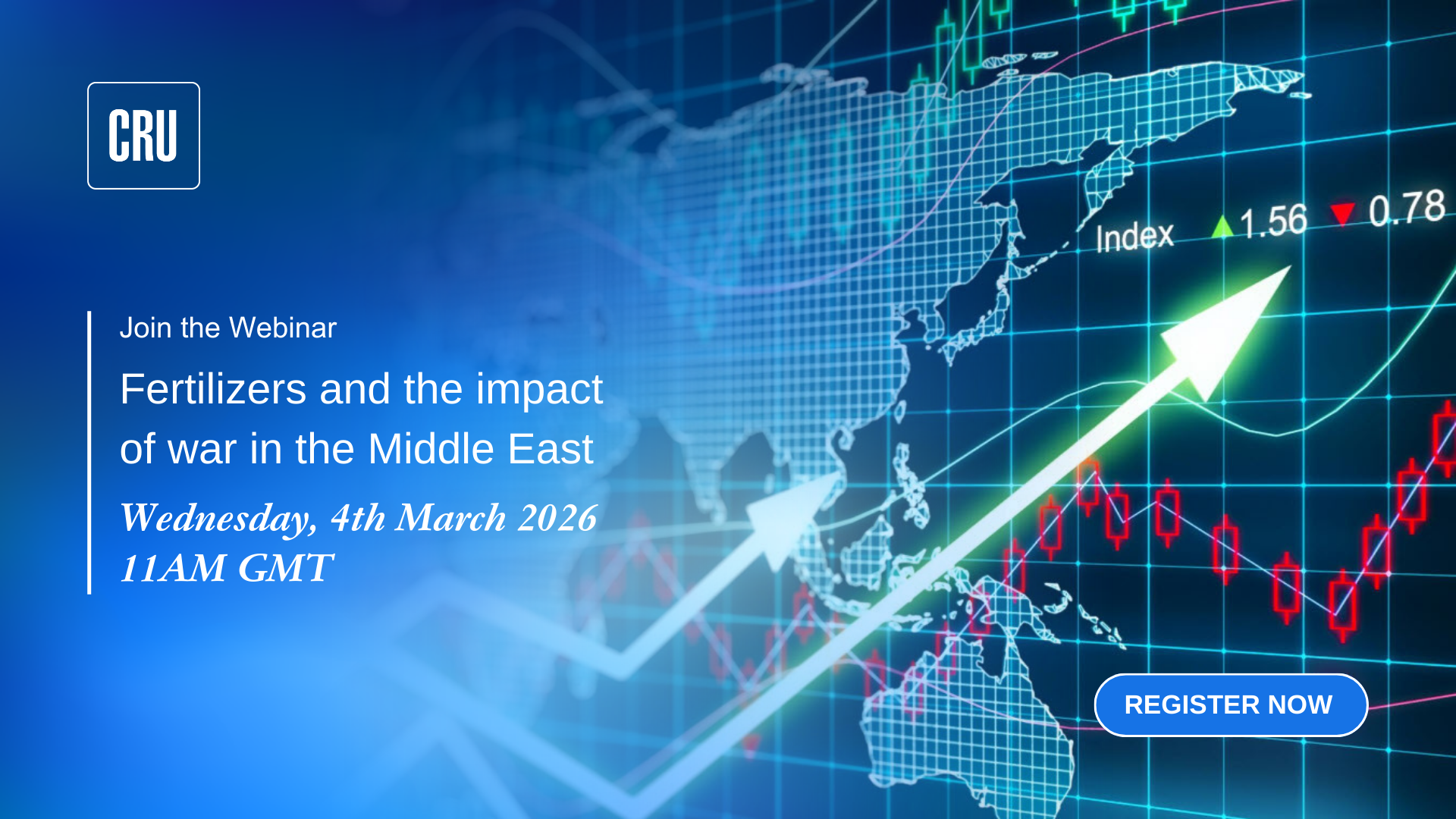
On-demand - Fertilizers and the impact of war in the Middle East
Fertilizer and associated raw material supply is highly exposed to war in the Middle East. With Iran under fire, marine traffic through the Straight of Hormuz slowing to a standstill, and retaliatory attacks across the region, the risk of severe price shocks grows by the hour.
Insights from CRU
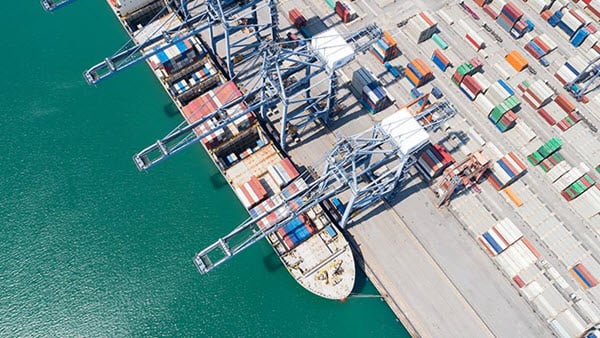
Middle East conflict poses energy cost risk to the ferrous value chain
The main impact on the ferrous value chain from the Middle East conflict will be higher energy costs in a prolonged scenario. Oil and gas prices are already moving higher and, over time, this will impact steelmaking costs across all regions.

Hormuz risk: When shipping confidence breaks
Geopolitical shocks do not always become commodity shocks. However, when a conflict disrupts a chokepoint that sits at the heart of energy trade, the pathway from headlines to physical disruption can be very short. In our latest analysis, we assess an escalating conflict involving Iran, Israel and the US – and why the Strait of Hormuz is the single most important variable for global commodity markets.
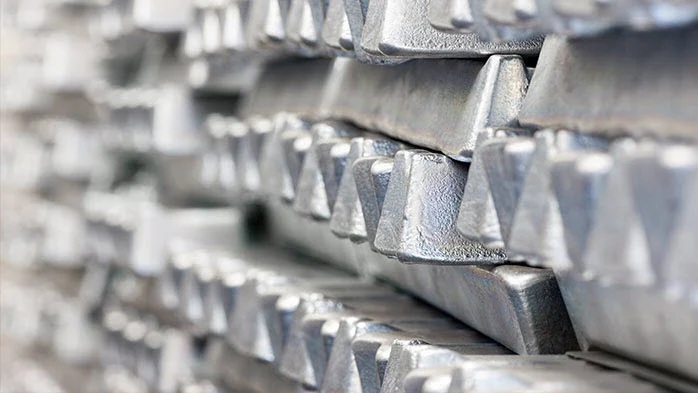
Conflict in the Middle East threatens aluminium and alumina trade flows
This insight assesses how conflict in the Middle East could affect aluminium and alumina markets. The most acute near-term risk is disruption to shipping and logistics, especially through the Strait of Hormuz. Currently, there is no confirmation of physical damage to production assets
How disruption risk transmits across energy, metals and fertilizers
Commodity markets do not need a full shutdown to reprice risk – they need credible uncertainty about whether material can move and whether producers can operate safely. Our latest analysis looks at the immediate market reaction to the escalation of conflict in the Middle East and the channels through which the risk of commodity market disruptions is likely to spread from energy into metals, fertilizers and wider industrial costs.
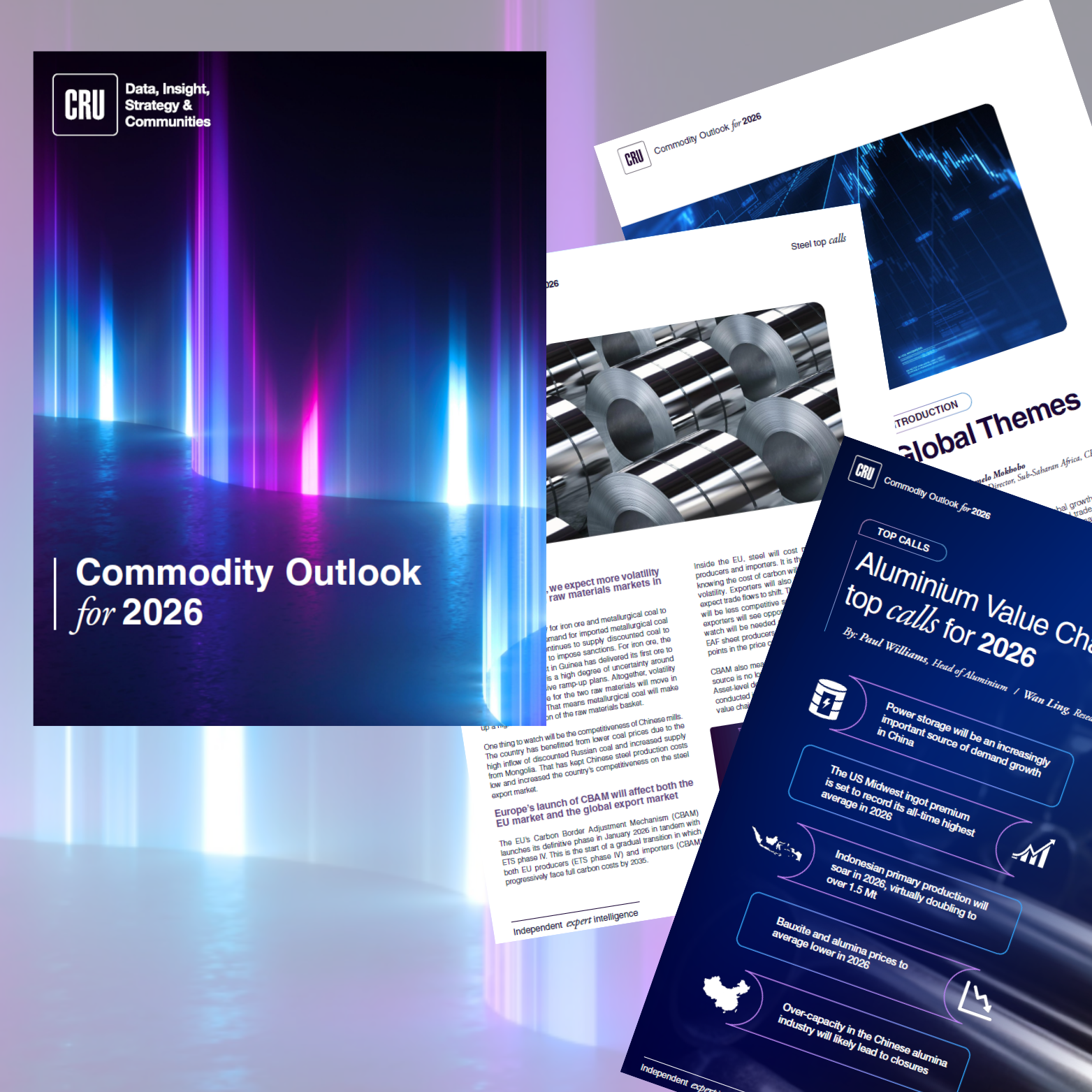
Middle East & North Africa Commodity Outlook for 2026
In 2026, MENA remains central to global commodities, led by energy and fertilizer exports and increasingly driven by infrastructure expansion, electrification, and industrial policy.
Learn MoreWhy choose CRU?
At CRU, we offer a suite of comprehensive solution services designed to empower various stakeholders in rapidly-evolving markets.
Our unwavering commitment to delivering unparallelled insights and data-driven solutions enables you to make informed decisions, refine your strategies, and maintain a competitive edge.
Learn more about our solutions, or talk to us today.
Asset Services
Learn More
Battery Technology and Cost Model
Learn More
Battery Value Chain Service
Learn More
Copper Smelting and Refining Asset Service
Learn More
Cost Services
Learn More
Fertilizer Services
Learn More
Lithium Asset Service
Learn More
Solar Technology and Cost Service
Learn More
Energy Transition and Decarbonisation
Learn More