We have reduced our 2026 global light vehicle production forecast by more than 600k units. The largest downgrade remains in the Middle East, but the impact of the conflict is no longer confined to the region, with ripple effects now being felt across the global automotive landscape.
Base case assumes disruption will be relatively short-lived
Our base case is centred on a short-term disruption, which assumes the Strait of Hormuz is materially disrupted for 6–8 weeks, with flows then beginning to normalise. In this scenario, the worst of the shock is contained, but it would not prevent disruption from spreading beyond the region.
Even in this scenario, higher energy prices, elevated freight and insurance costs, and weaker confidence are unlikely to unwind quickly. The main downside risk for automotive markets, is that the conflict lasts longer than expected, morphing a largely regional shock into a broader drag on the global market.
Automotive input costs are rising globally
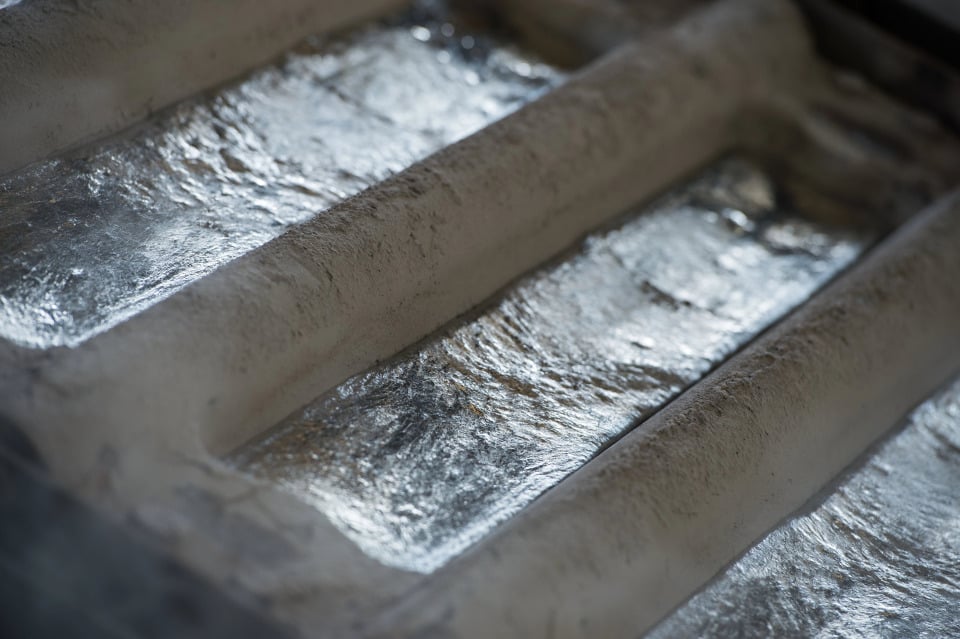
Higher oil and gas prices are raising costs across the automotive value chain, from energy-intensive materials processing through to the shipment of components and finished vehicles. Material cost pressure is also building across the supply chain, with some materials more exposed than others, such as aluminium, given the Middle East’s role in supplying primary metal to a number of key markets.
For now, most OEMs and suppliers are likely to absorb much of that cost pressure rather than pass it on immediately. However, this still adds strain at a time when the industry is already facing cost pressure and a difficult demand environment.
There are already signs that higher costs are affecting OEM decision-making. Some OEMs have reportedly delayed exports to the Middle East because freight costs have risen. Higher insurance premiums are adding to the burden, particularly on routes seen as more exposed to disruption. If the conflict lasts longer than expected, this cost pressure would become harder to absorb and could increasingly weigh on margins and OEM decision-making.
Supply disruptions ripple across global auto landscape
The biggest direct production hit remains Iran. Since the last update, we have reduced our 2026 Iranian production forecast by around 390,000 units, equivalent to roughly a 30% y/y decline. Key OEMs in Iran, such as SAIPA and Iran Khodro, have suspended production.
But the supply story affects the entire automotive value chain. The Middle East remains an important source of inputs relevant to automotive production, including primary aluminium, while the region also matters for materials such as sulphur, helium and naphtha, which feed into everything from batteries to semiconductors and broader manufacturing processing.
Some suppliers are reportedly exploring alternative sources of foundry alloy aluminium, but switching supply is not straightforward because of qualification and certification hurdles.
While there have been tentative signs that supply disruption might ease, including reports that some aluminium producers in the Middle East were shifting exports to ports outside the Strait of Hormuz, these workarounds remain constrained by logistical challenges, including higher costs, longer transit times and limited port capacity. Recent Iranian strikes on aluminium facilities in the region also suggest that disruption is likely to persist, adding further upward pressure to aluminium prices.
The industry’s reliance on global sourcing and just-in-time logistics means even relatively modest delays can feed quickly into output. That is already visible in Japan, where Toyota and Nissan have cut production by around 50,000 units in the short term, reflecting weaker Middle East demand as well as logistical disruption. Several OEMs have flagged aluminium supply as a concern. In our own forecast, by 80,000 units this year.
Under our base case, while we expect some short-term disruption, we expect a high proportion of the lost output to be recovered once supply resumes. However, demand-side headwinds are still likely to weigh on build rates, meaning not all losses are necessarily made-up later.
The conflict is weighing on build rates in region & beyond
The war is weighing on automotive demand across the Middle East through weaker confidence, disrupted trade flows, rising inflationary pressure and a more cautious backdrop for both consumers and fleet buyers.
Iranian automotive production will be massively disrupted and the economic fallout from the war likely to linger, both demand and build rates are expected to remain under pressure for some time. Even under a short-conflict scenario, a recovery will not be quick.
Elsewhere, the Gulf states rely heavily on imported vehicles, particularly from Japan, China, India and South Korea. That makes the slowdown in regional demand important for exporters well beyond the Middle East itself. Toyota has already announced production cuts for vehicles destined for the region, while other automakers have reported delivery delays. That points to weaker vehicle availability across the market and softer conditions for both new and used vehicle sales.
Outside the region, risks are centred on an energy-led hit to affordability and confidence. Higher fuel prices, rising transport costs and broader inflationary pressure all weigh on vehicle demand, particularly in markets where affordability was already under pressure.
War could reshape consumers buying behaviour
If the war continues for longer than our base case assumes, the demand impact would become broader and potentially more structural. What is currently a mainly regional shock would increasingly weigh on demand globally.
Persistently higher fuel and energy prices would weaken disposable incomes and make consumers more cautious about purchasing new vehicles. Buyers could delay replacement cycles, shift towards smaller or more fuel-efficient vehicles, and become more price-sensitive overall. In that environment, carmakers would not just face lower volumes, but also the risk of a weaker sales mix.
There could also be implications for powertrain demand. Higher pump prices might improve the total cost of ownership of hybrids and BEVs versus conventional internal combustion engine vehicles, but electricity prices are not immune to higher oil and gas costs.
Yet, the conflict is putting pressure on several materials markets, including aluminium, sulphur and helium, which are often more heavily used in electrified vehicle supply chains than in conventional internal combustion engine vehicles. This could, in theory, add further cost pressure to electric vehicle production. A prolonged conflict could therefore reshape consumer buying behaviour while also raising costs for the very vehicles that might otherwise benefit from higher fuel prices and stronger electrification demand.
Downside risk remains elevated
Our current base case forecast still assumes a short disruption rather than a prolonged crisis. However, if the conflict proves longer lasting or more disruptive, which appears increasingly likely, the impact would become broader, deeper and harder for the industry to absorb.
For more information or to request a demo of the new Automotive Materials Market Outlook, please get in touch.