Australia’s mining industry is facing a sharper energy security test than many of its global peers. Our latest analysis shows the immediate risk is not simply higher fuel costs, but the operational vulnerability created by diesel dependence across mine sites, logistics networks and remote power systems. While some larger producers may prove relatively resilient, smaller and more transport-exposed operators look far more vulnerable if supply disruption persists.
Australian diesel consumption matters far beyond the bowser
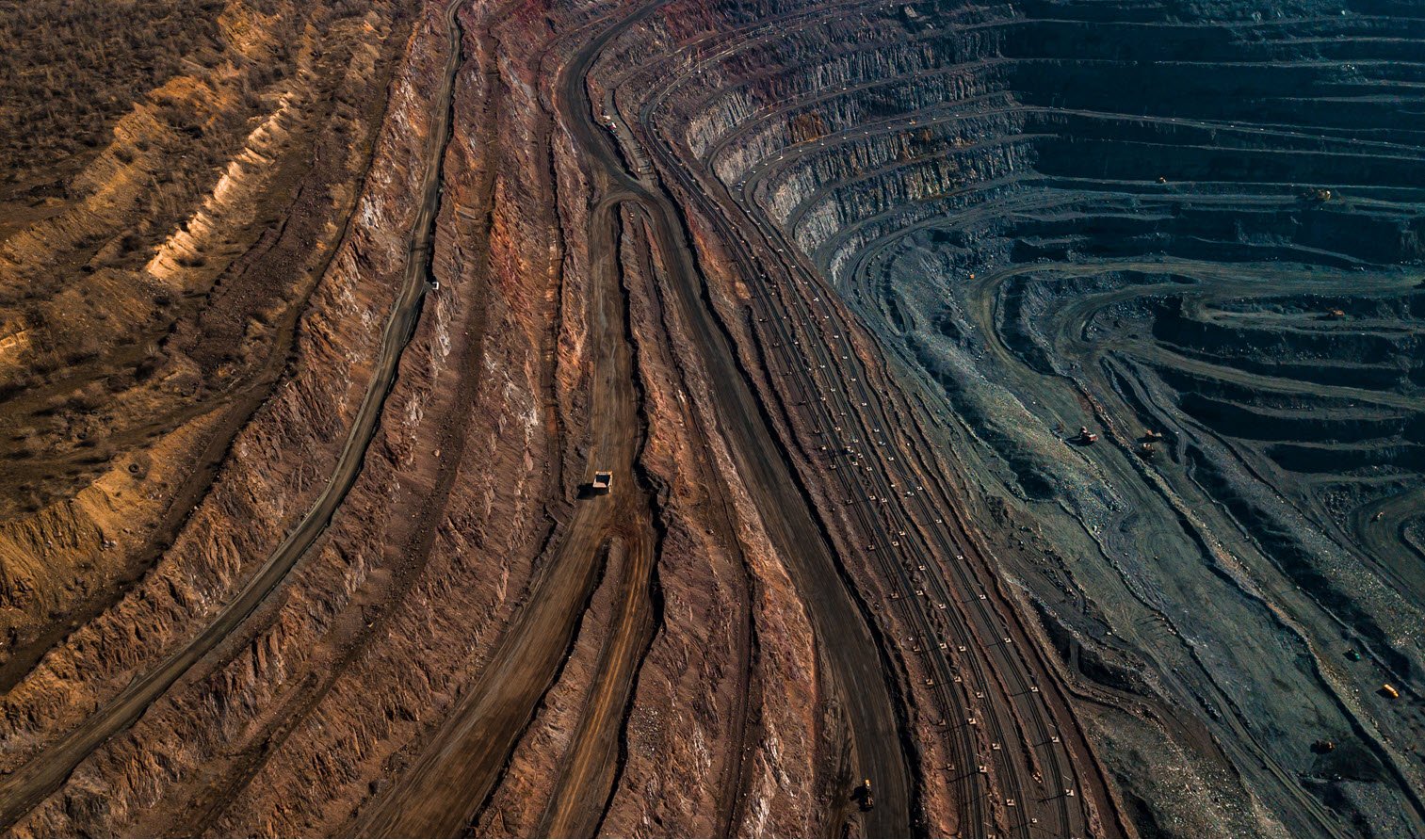
Diesel sits at the centre of Australian mining operations. It powers haul fleets, supports off-grid electricity generation, underpins road and rail movements, and helps connect production to export markets. This matters because Australia is unusually exposed to supply disruption – local refining capacity is limited, import dependence is high, and the mining sector accounts for a substantial share of Australian diesel consumption.
In practice, this means any Australian fuel disruption can ripple quickly through mining activity. The issue is especially acute in a country where long transport distances, remote operating environments and bulk commodity export systems are central to sector competitiveness.
Cost pressure is only part of the story
At first glance, a fuel shock appears to be a straightforward cost problem, but the picture is more nuanced. For some large Australian miners, higher fuel prices do not necessarily translate into a competitive disadvantage. Efficient rail systems, shorter shipping routes to major Asian markets, and relatively streamlined production chains can soften the impact.
In some cases, broader market dynamics may even offset cost pressure. Where international competitors face steeper energy-related cost increases, Australian producers can remain comparatively well-placed. For bulk commodities in particular, relative positioning matters just as much as headline input inflation.
That is why we see the real threat not in price alone, but in access and continuity.
Why smaller producers are more exposed
The clearest risk sits with smaller and mid-sized operators, especially those with open-cut operations, heavy road haulage requirements or reliance on diesel-powered generation. These businesses often lack the infrastructure advantages available to major producers. They may not have dedicated rail access, large on-site fuel inventories or the commercial leverage to secure supply during periods of disruption.
For remote operations, diesel is not simply another input cost. It is often fundamental to whether production can continue at all. If availability tightens, these operators may be forced to reduce non-essential activity, prioritise core movements, or in more severe cases curtail output altogether.
This distinction between large and small producers is important for understanding how market stress may unfold. A broad national shortage does not affect every operator equally, and the first visible impacts may emerge at the margins of supply.
What this means for commodity markets
Australia’s importance to global commodity supply means even selective disruption can matter. If pressure extends beyond smaller independents and reaches more material mid-tier operations, the consequences could spread through seaborne markets and downstream value chains. Bulk commodities remain the most important watchpoint as that is where Australia’s global supply role is most pronounced.
More broadly, this reinforces a longer-term strategic point – Australian energy security and decarbonisation are becoming more closely linked. For mining companies, alternative fuels, electrification and more resilient energy systems are not only climate considerations. They are increasingly operational ones.
Our view is that this shock should be read as a resilience test for Australian mining. The companies best positioned to respond will be those that combine operational scale with credible plans to reduce fuel vulnerability over time.
If interested in CRU's Asset Services, read more about what we provide here or directly request a demo here.