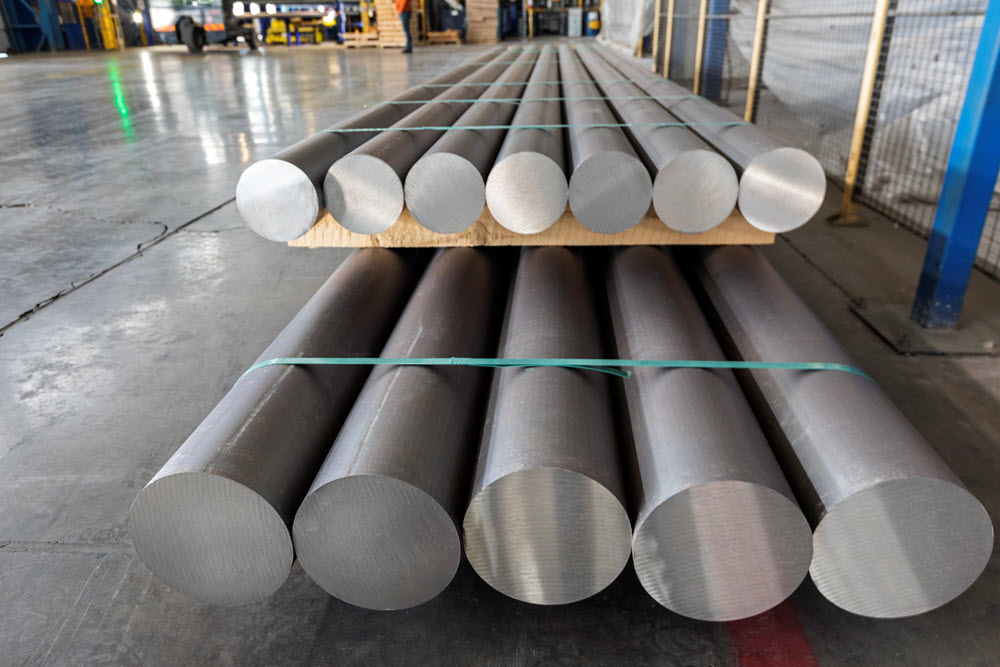
Last month, we predicted that carbon prices would stay high at ~€81 /tCO2 as rebounding power demand neutralised the expected high renewable generation, with some potential gas-to-coal switching. However, the prices lifted further from mid-December onwards, rising from ~€82 /t to a peak near €86 /t. This rally occurred despite robust renewables output, which would typically pressure prices lower. The strength was driven by a confluence of supportive factors – the CBAM policy disclosure that implied enhanced competitiveness for the domestic steel industry; technical support from the contract rollover and auction pause; sustained financial buying and high power demand underpinned by a resilient economic foundation.
Looking ahead, we expect power demand to rise alongside robust renewable output. Meanwhile, the support from contract expiry and the auction pause in December will fade, leading to reduced activity from financial market players as they hold or unwind positions. Furthermore, 2026 Q1 could see softer steel and EUA demand following significant steel imports in 2025 Q4 ahead of CBAM implementation. The net balance of risks leans to modestly bullish, anchored primarily by the prospect of tightening 2026 supply. We expect carbon prices will stay elevated and increase modestly next month, consistent with the upward trend in our mid-term carbon price forecast.
CRU Online subscribers can access the short-term carbon price report here. Otherwise, please speak to our sales team to access more in-depth information from CRU.
High power demand expected next month
December marked a significant rebound in power demand, with consumption surpassing expectations and returning to its historical level. This recovery sets a strong baseline as we enter January. Seasonal forecasts now point to a period of colder-than-average temperatures, indicating that heating demand will be a primary and significant driver of power consumption in the coming weeks. The steady demand outlook is further reinforced by positive industrial signals. Our forecast for steel profitability, a key leading indicator, has been upgraded for Q4, signalling an improved outlook for the economy.
Consequently, we anticipate January power demand will maintain its upward trajectory, rising seasonally and sustaining at historical average levels or above. This strength will exert consistent upward pressure on EUA demand. Any outperformance – which is where the balance of risks lie – will create additional upward pressure on carbon prices.
Wind output will show seasonal, yet modest, growth
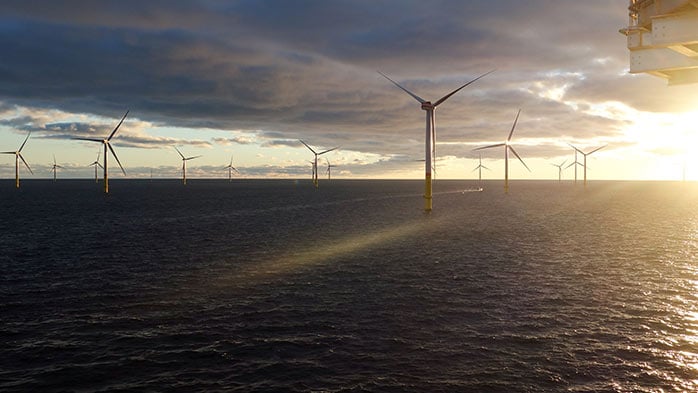
Wind generation increased in December, but the lower-than-expected growth placed it further below the historical average and reduced its share of power demand. This underperformance indicates underlying upside pressure on carbon prices. The short-term forecast indicates wind speeds will be above average over the next ten days. This will boost wind generation and exert downward pressure on carbon prices, though output is still projected to stay below the historical average due to the current significant deficit. Looking ahead, if wind speeds normalise after ten days, the downward pressure on EUA demand will be modest. However, an extension of high winds beyond this period would significantly amplify the bearish pressure.
Hydro power generation in Europe increased in December, continuing its prior growth trend. Reservoir levels also rose, but are still lower than the historical average. Despite forecasts for below-average precipitation next month, hydropower generation has recently jumped toward seasonal norms. We expect January to follow its usual pattern of strong output, albeit at levels slightly below the historical average. Overall, we anticipate hydro output will have only a minimal impact on EUA demand next month.
Potential for gas-to-coal switching
Total fossil generation decreased in December. Concurrently, gas-to-coal switching reversed for the sixth consecutive month. This shift, aligned with rising coal prices, drove the gas-to-coal ratio to a post-2020 high. This elevated ratio is not a market disconnect but the latest point in a sustained trend of rising gas use since 2023.
For January, we forecast gas prices will outpace coal, strengthening the incentive for gas-to-coal switching. However, prevailing market data presents a strong counter-trend, with the gas-to-coal ratio maintaining a clear upward trajectory. Consequently, our base case assumes that no significant gas-to-coal switching will occur in the near term. If gas-to-coal switching materialises, it would place modest upward pressure on EUA demand and carbon prices.
Nuclear generation is expected to be strong
Nuclear generation finished 2025 strongly, sustaining output at historical highs.
The outlook for French nuclear power remains positive, with no planned strikes or reactor closures expected in January. This operational stability underpins EDF's unchanged longer-term production targets. The company reaffirmed its 2026 forecast of 350–370 TWh. Without major news, we expect nuclear power generation will have a minimal impact on the carbon price next month, although the outlook remains positive.
If you want to hear more about carbon market forecasts and our short-, medium- or long-term carbon price forecasts, request a demo as part of CRU’s Sustainability and Emissions service, or email us at sales@crugroup.com – we’d be happy to discuss this with you.