At the International Mining and Resources Conference (IMARC) recently held in Sydney, our Analysis and Consulting teams showcased CRU’s expertise with views on the critical minerals outlook and project financing in mining, as well as providing comprehensive coverage on copper market fundamentals.
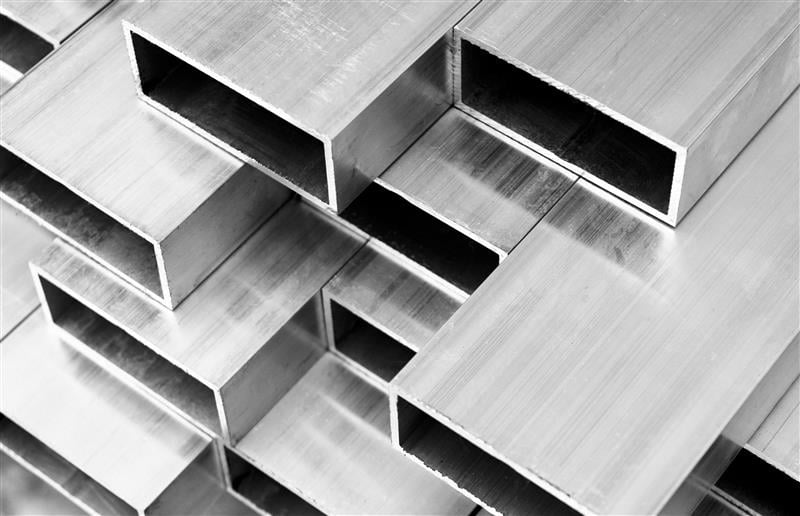
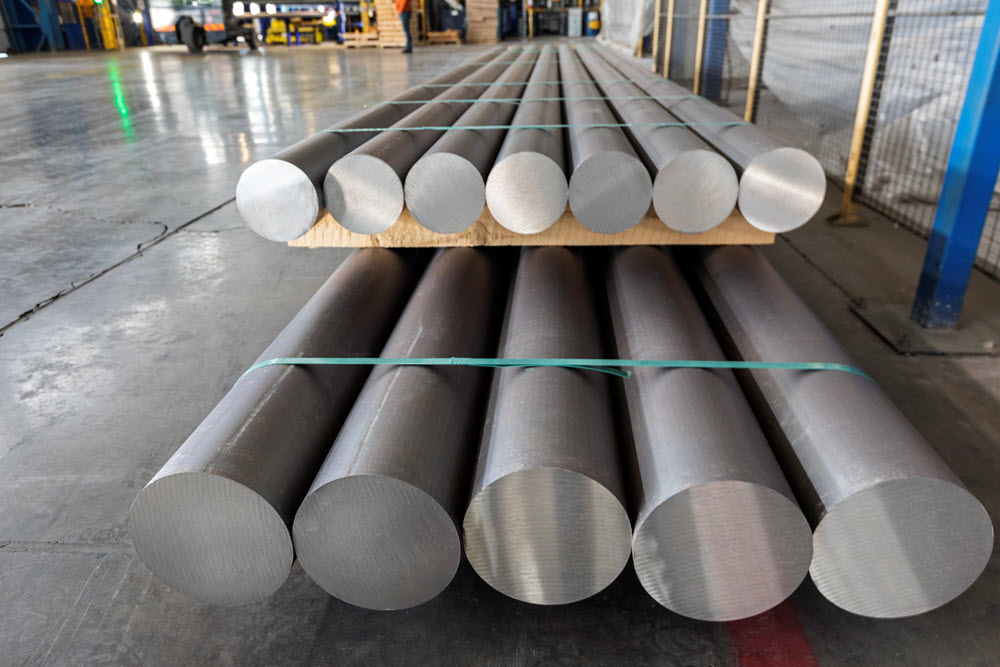
Regarding critical minerals, Jason Needham (Principal Consultant) showed that batteries, renewables and new technologies are increasing demand, while much of the world’s processing sits in China. Australia is excellent at mining but smelting and refining materials domestically is tougher because energy and labour costs are much higher. The practical approach is to play to Australia’s strengths in mining and choose selective midstream steps where they add real value, such as intermediate products in graphite, aluminium and silicon, without taking unnecessary risks. This perspective formed a key part of our critical minerals outlook at the event.
On project financing in mining, Angela Durrant (Principal Analyst, Nickel Assets) pointed to Australia’s A$8.5 billion critical minerals partnership with the US as a major opportunity for rare earths, but one that comes with challenges as domestic facilities look to ramp up. These projects will require processing expertise as part of skilled workforces, which will be expensive, and contribute to high production costs. Governments will need to play a major role in financing new critical minerals and rare earth projects as traditional investors will be wary – especially given these markets are often very small. Building reliable price forecasts for these niche minerals will take time due to the lack of transparency and data available.
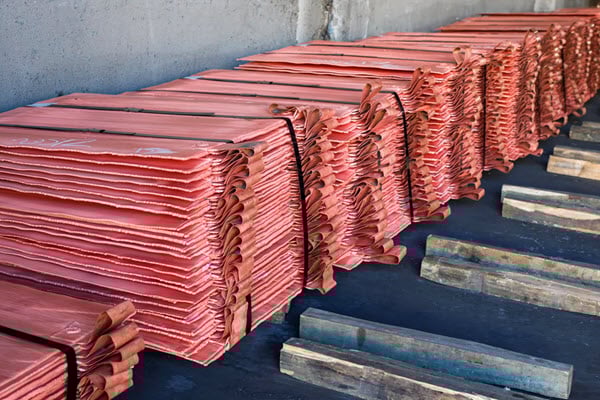
Turning to copper market fundamentals, Piers Montgomery (Principal Analyst, Copper Markets) discussed what it would take to see prices hold around $12,000 per tonne. In short, demand has been better than expected, including power grids, renewables, electric vehicles and a big push from data centres, while supply growth has been harder to deliver. The project pipeline should be adequate, but many developments now face elevated execution risks as a result of increased remoteness and/or jurisdictional complexity. To bring enough new supply to the market, investors will need confidence that returns are adequate. The good news is that copper’s role looks secure, and substitution by other metals could be less of a threat than previously.
Explore how CRU services can support you with:
- Independent market analysis and price assessments;
- Cost benchmarking and feasibility studies;
- Market entry and portfolio strategy;
- Offtake, pricing and negotiation support;
- Sustainability and policy insights.
If you want to talk to us about your company’s goals and strategic direction, as well as how we may be able to assist, contact us here.