Last month, we predicted carbon prices would stay at ~€69 /tCO₂, but we saw an increase in carbon prices. On the fundamentals side, gas prices fell in April while the coal price increased, leading to some reversal of gas-to-coal switching. Wind generation and power demand both fell m/m as predicted, but outperformed seasonal expectations.
Stronger-than-expected power demand showed the European economy had held up far better than feared. While fundamentals were mixed, policy had a significant influence in April. March had brought some panic and doubts about the future of the EU ETS, driven by rising energy prices due to the Middle East conflict. However, with a ceasefire in the Middle East and no EU Commission discussions on altering the EU ETS structure, confidence returned, momentum turned positive and carbon prices gradually recovered to our pre-conflict equilibrium projections.
Looking ahead, our base case assumes the conflict will last until end-May. However, with the oil price exceeding $120 /barrel on 29 April, negotiation results remain unclear. For next month, power demand will soften in line with seasonal trends, but there is a downside risk should the Middle East tensions escalate further, which could weigh more heavily on industrial activity and overall consumption. Contrarily, we predict weaker-than-average wind and hydro generation, alongside some gas-to-coal switching.
Overall, we think fundamentals point to upside for carbon prices in the near term and, with supportive policy generating, we see room for a modest price recovery, though a significant rally appears unlikely at this stage. The carbon price will be less volatile now, especially as the EU commission has emphasised price stability and proposed amendments to the Market Stability Reserve (MSR). We believe the carbon price will rise slightly next month, with further potential upside throughout the year.
Low wind generation next month
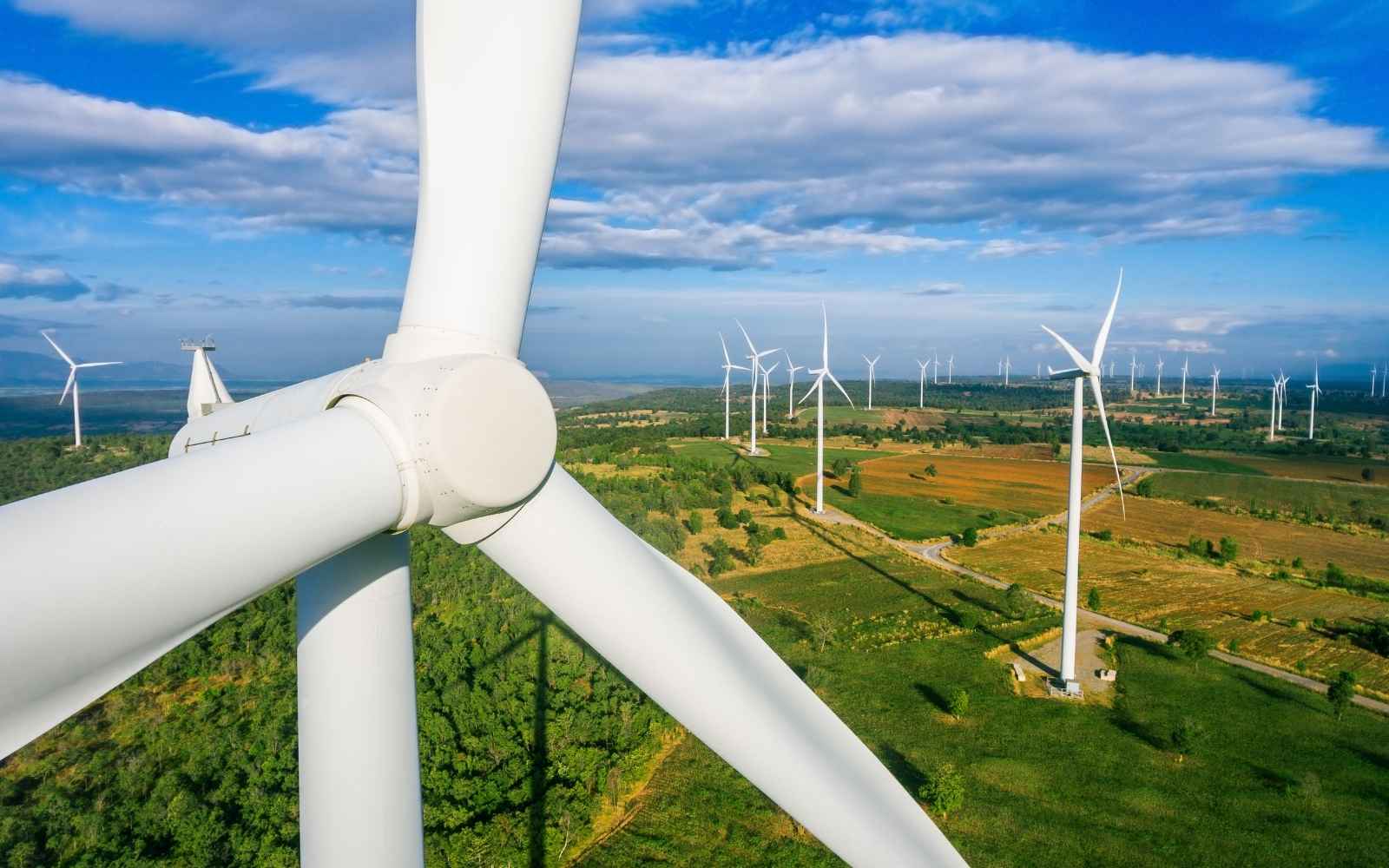
Wind generation fell m/m but increased y/y, lifting its share of power demand in April. However, with forecasts showing below-average wind speeds over the next ten days, we expect wind generation will fall in May, returning to alignment with historical patterns and putting upward pressure on carbon prices. Looking ahead, if wind speeds normalise after ten days, the upward pressure on EUA demand will be modest. However, any extension of subdued wind conditions beyond this period would significantly amplify the bullish price pressure.
Hydro power generation in Europe decreased in April as expected and, with reservoir levels now lower, both are below historical averages. Low reservoir levels and average precipitation are expected, and although the seasonal pattern points to a higher output in May, we forecast hydro generation will stay at a low level. Overall, we anticipate it will have some upward impact on EUA demand in May.
Power demand will see a seasonal lull
Power demand declined m/m in April, but still lifted above historical levels, demonstrating the economy did not deteriorate to the extent people feared. However, the oil price shock on 29 April has introduced uncertainty to the market.
Our forecast for steel profitability – a leading indicator of economic activity – has been upgraded for Q2but this does not signal an economic recovery, and rather reflects supply-side factors.
Based on historical patterns, May typically exhibits lower power demand than April but, with temperatures expected to be hotter than average next month and market sentiment having calmed in April, we expect power demand to only see a seasonal dip and the effect on the carbon price will be minimal. If the Middle East conflict intensifies, confidence and power demand will drop more sharply and EUA demand will face greater downside pressures.
Potential for gas-to-coal switching
Total fossil generation decreased in April given lower power demand and, as gas prices fell back while coal prices increased slightly, Europe saw its first reversal of gas-to-coal switching in 2026.
For May, we expect the broader effects of the conflict to fade. Despite this, gas prices are expected to rise modestly in Maywhile coal prices edge downwards. This shift will create a modest incentive for gas-to-coal switching. However, with the oil price shock on 29 April, there is upside risk to coal prices.
Consequently, our base case assumes mild gas-to-coal switching for the near term. In a scenario where switching proves stronger, it will exert more upward pressure on EUA demand.
Nuclear output will have minimal impact on the carbon price
Nuclear generation declined again in April as expected, but it lifted above the historical average, thereby exceeding assumptions. We expect output will dip slightly in May, aligning with the historical pattern. No strikes or reactor closures are currently planned. Given no significant deviation from seasonal patterns is expected, we anticipate a limited impact on EUA demand.
If you want to hear more about carbon market forecasts and our short-, medium- or long-term carbon price forecasts, learn more about our Energy Transition and Decarbonisation service or directly request a demo here.