Last month's carbon price forecast of ~€78 /tCO₂ was predicated on rising power demand, poor renewable performance and limited gas-to-coal switching. Actual outcomes were mixed – power and renewables matched expectations, but gas-to-coal switching did not transpire due to falling gas prices following the US-Iran ceasefire extension. Nonetheless, that same geopolitical development injected bullish sentiment into the market, driving the final settlement price to ~€80 /tCO₂ which is directionally correct, but above our initial projection. Next month, we expect the bearish pressure, arising from EU ETS MSR review, to counterbalance the supportive fundamentals.
For July, hotter weather and a brighter economic outlook bolstered by the US-Iran ceasefire should sustain strong power demand. Supply-side signals are mixed – wind generation will rise m/m but stay below seasonal norms, while hydro and nuclear output are expected to lag. With no gas-to-coal switching in play, the balance tilts towards higher prices. The key near term risk event is the mid-July EU ETS MSR review. We expect the European Commission (EC) to halt the MSR invalidation mechanism above 400 million allowances, which we believe will temper the bullish pressure and prices will hold steady. A bigger upside would come if the EC opts for outright surplus cancellation – a scenario that could trigger a rise.
While July carbon prices are expected to hold steady, the upward trend we have seen should persist through Q3. However, we have slightly downgraded our Q3 CBAM certificate forecast to reflect the impact of the EU ETS MSR review. You can learn more about our CBAM quarterly certificate price forecast from our Energy Transition and Decarbonisation service, or directly request a demo here.
Wind output will rise seasonally, while staying below historical levels
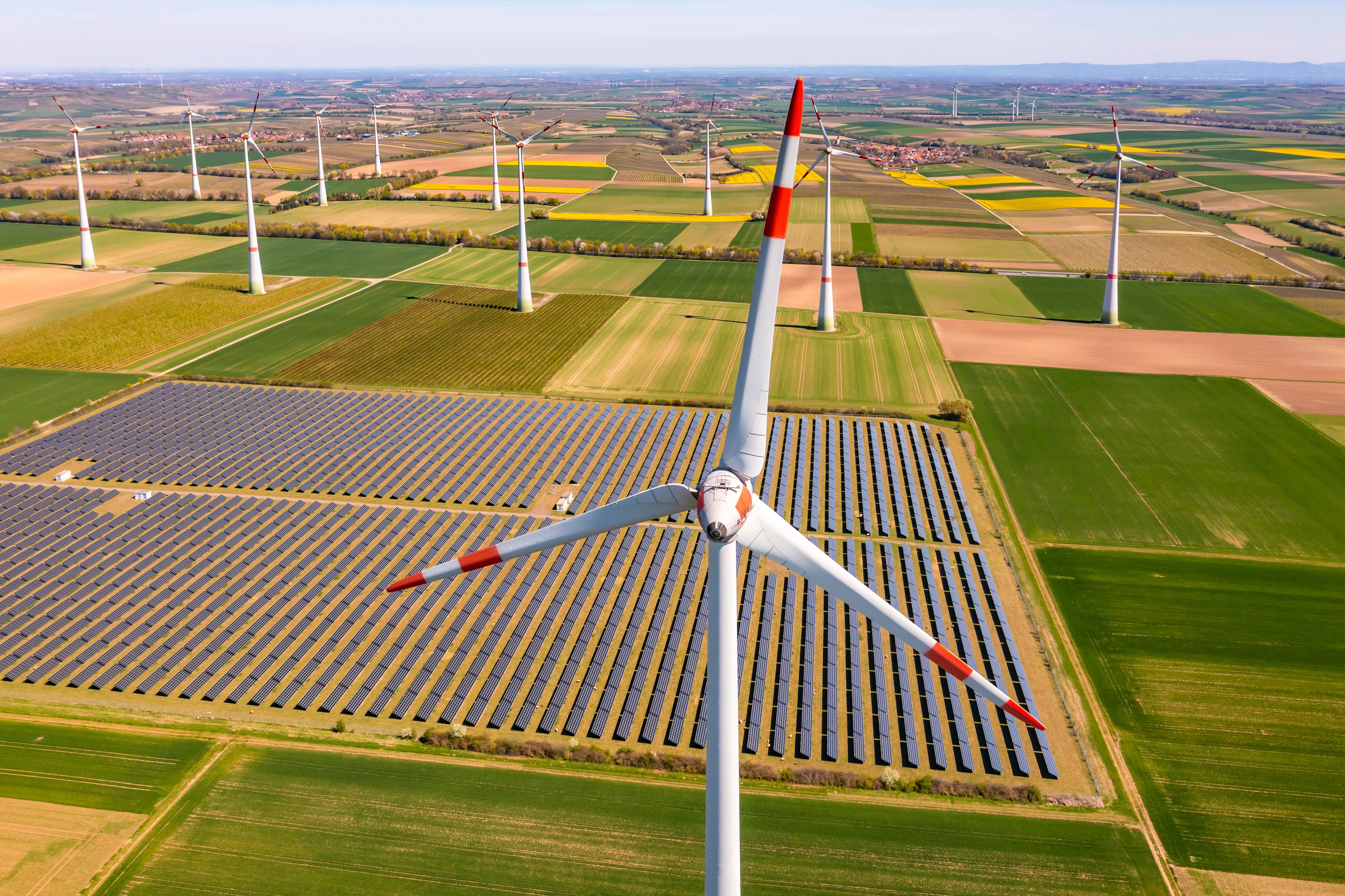
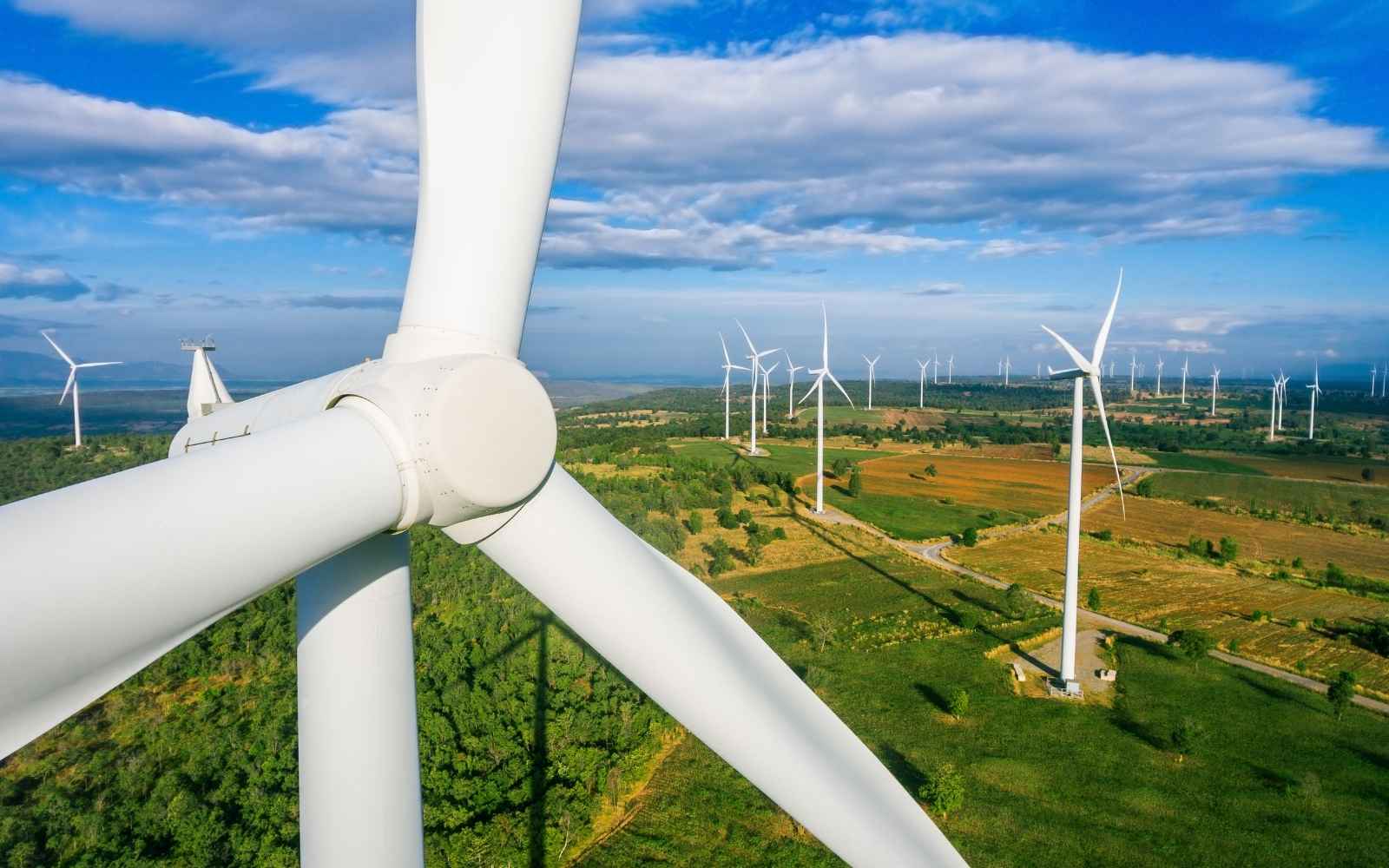
June saw a modest monthly drop in wind generation, with the deficit (compared to historical levels) widening significantly – a weak outcome versus seasonal norms. Over the next ten days, wind speeds are expected to stay below average, but with generation already so depressed and July typically stronger than June, we still expect a meaningful monthly rise. Normalisation beyond this period would exert some downward pressure on EUA demand; and persistent subdued conditions would lessen this pressure or potentially reverse it.
In June, hydro power generation was largely unchanged from May, with the deficit compared to historical levels narrowing slightly over the month. However, reservoir levels weakened further, and in end-June they were well-below seasonal levels, suggesting ongoing water supply constraints. With low reservoir levels and below-average precipitation expected, we forecast hydro generation will remain subdued. Overall, we expect output will stay below the historical average, putting some upward pressure on EUA demand next month.
Power demand will increase mildly
Power demand rose m/m in June, trimming the deficit compared to historical averages significantly. The improvement points to a resilient demand recovery after the US-Iran ceasefire extension.
Our Q3 steel profitability measure (one indicator of economic activity) was downgraded very slightly. Furthermore, as we had already priced in the signing of a US-Iran ceasefire extension in June, our Q3 GDP and broader economic forecasts remain largely unchanged, aside from modest headwinds from inflation and other variables. With July historically exhibiting stronger power demand than June, and weather forecasts pointing to above-average temperatures, conditions look supportive for power demand.
Thus, we expect power demand to increase modestly next month, lifting fossil power requirements. In a stronger demand scenario, EUA demand could face notable upside pressures.
No gas-to-coal switching in July
In June, the US-Iran ceasefire extension pushed gas prices downward, while coal rose modestly, reversing the prior gas-to-coal switching dynamic.
Looking ahead to July, projected price convergence between the two fuels is expected to eliminate any meaningful cost advantage, implying no significant fuel-switching. Consequently, EUA demand next month will not be affected by gas-to-coal substitution.
Nuclear power will exert upward pressure on the carbon price in July
Nuclear generation remained weak in June, in line with our projections and seasonal expectations. No major disruptions occurred; although on 1 June Swedish operator OKG delayed the restart of its 1.4 GW Oskarshamn 3 reactor by another 10 days, to 28 June, which may have weighed on the monthly figures.
France's June heatwave forced EDF to cut its output at the Golfech plant on 22 June and, on 23 June, they imposed operational restrictions at three further sites due to rising river temperatures which risk exceeding environmental limits when cooling water is discharged. While EDF described the production impact as negligible, more frequent or intense heatwaves could increase this figure in the future.
In conclusion, nuclear output will put upward pressure on EUA demand next month.
If you want to hear more about carbon market forecasts and our short-, medium- or long-term carbon price forecasts, see our Energy Transition and Decarbonisation service or directly request a demo here.