Our forecast for last month pegged carbon prices at ~€80 /tCO₂. Both wind generation and power demand materialised in line with expectations – wind output rose monthly yet remained below historical norms, while higher power demand than June was observed. Additional bullish impetus came from gas-to-coal switching, triggered by re-escalated US-Iran tensions.
A brief rally followed the EU ETS review, lifted by the extension of the Investment Booster implementation timetable across 2028–2031, rather than the 2027 timeline some had priced in. However, the rally proved unsustainable, as the proposals reinforced the expected longer-term bearish outlook – most notably by removing the automatic cancellation of surplus allowances above 400 million EU allowances under the MSR. With this structural downside reaffirmed, prices retraced their gains and closed the month at ~€81 /tCO₂.
Looking ahead, we project higher power demand, underpinned by above-average temperatures and a stable macroeconomic outlook, set against a supply characterised by softening wind output and subdued nuclear generation. Even in the absence of gas-to-coal switching in our base case, we expect this tight fundamental backdrop to lift carbon prices. An easing of US-Iran hostilities is the principal risk that could accelerate this shift.
You can learn more about our CBAM quarterly certificate price forecast from our Energy Transition and Decarbonisation service, or directly request a demo here.
August will see weak wind
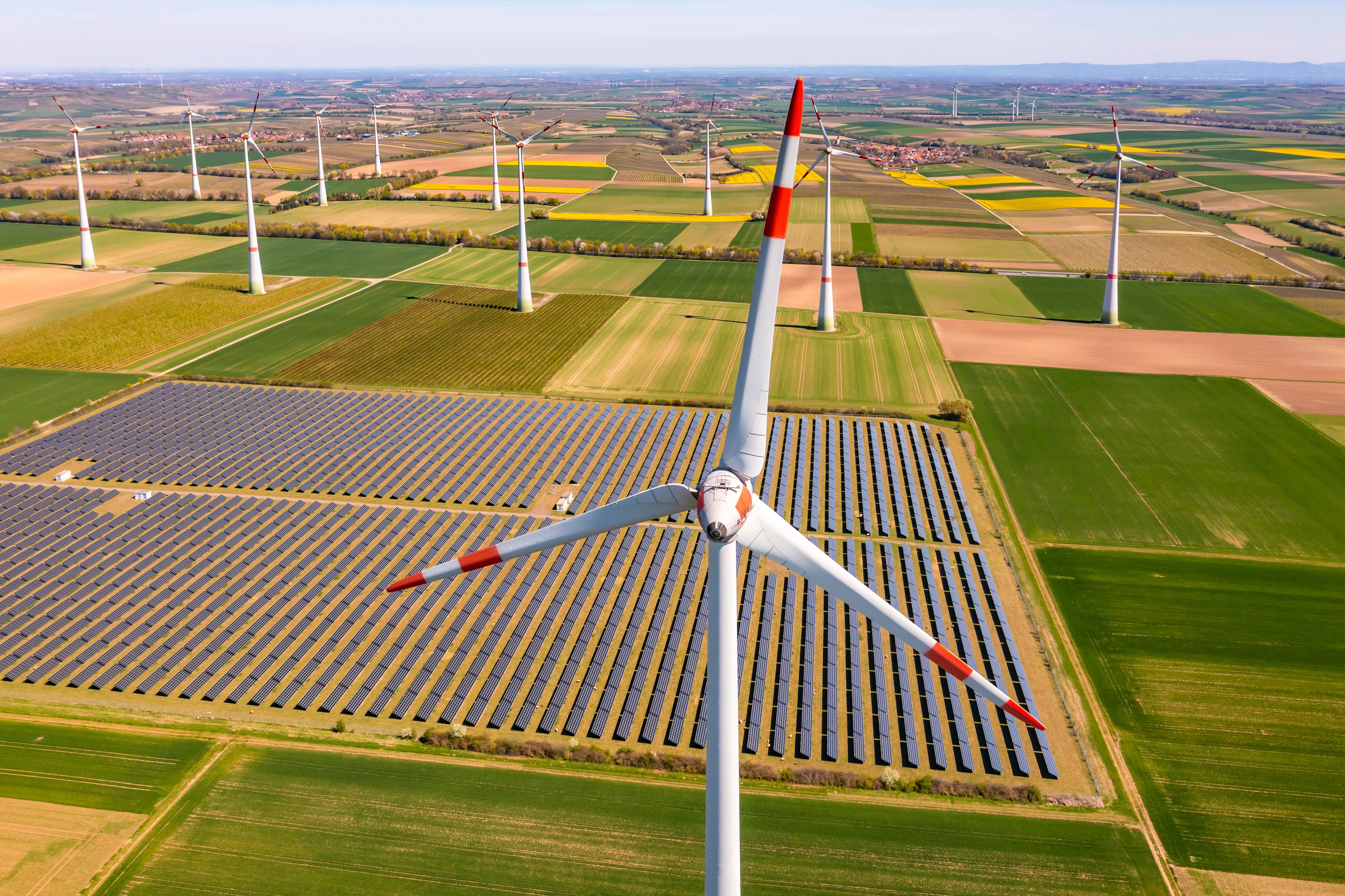
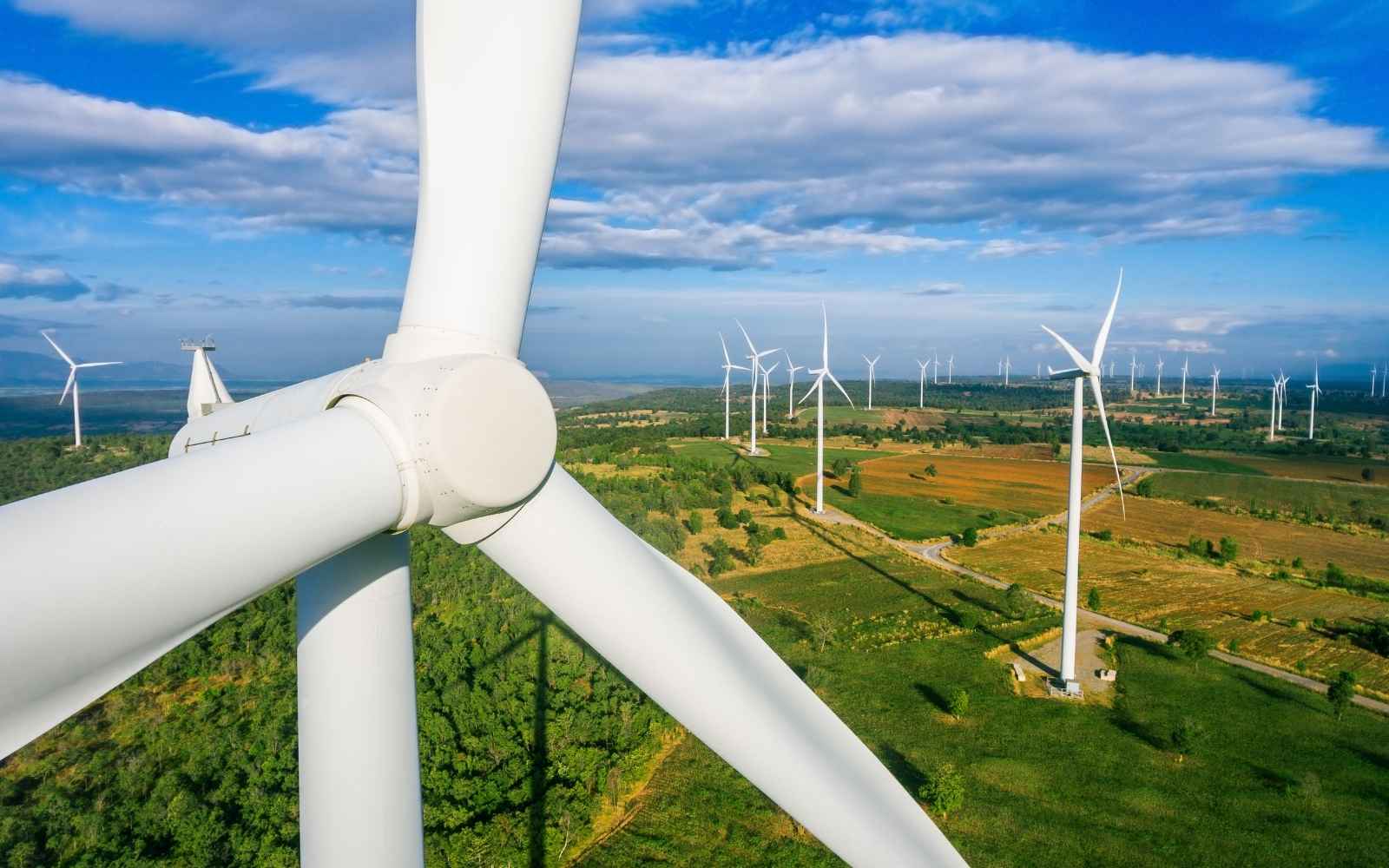
July saw a modest monthly increase in wind generation, with the deficit (compared with historical levels) narrowing significantly. Over the next ten days, wind speeds are expected to stay below average. With current generation already below average and August wind output being typically weaker than July, we forecast a further decrease in wind generation next month and a widening of the deficit versus the seasonal average.
In July, dry conditions persisted, further denting hydro output, with the shortfall against historical levels widening and reservoir levels dropping well below seasonal norms – pointing to ongoing water supply constraints. Rainfall is projected to remain below average in the near term, before normalising by mid-August. We expect hydro output to stay below historical levels but the gap to seasonal average levels will narrow, weighing on EUA demand slightly next month.
Power demand will increase mildly
Power demand rose m/m in July, narrowing the gap versus historical levels. Part of this relates to high temperatures and cooling needs, but it also points to resilient economic conditions.
Our Q3 steel profitability measure – one indicator or proxy for economic activity – was upgraded slightly, driven primarily by price effects. At the macro level, our GDP projections and wider economic indicators for Q3 continue to paint a stable, relatively tranquil picture, with no major shocks on the horizon. Meanwhile, weather models are consistently pointing to above-average temperatures over the coming month, which suggests a constructive tailwind for power consumption as we move through the quarter.
Overall, we expect power demand to increase modestly next month, lifting fossil power requirements. In a stronger demand scenario, EUA demand could face notable upside pressures.
No gas-to-coal switching in August
In July, the re-escalation of US-Iran tensions introduced fresh geopolitical risk, affecting energy markets by sending natural gas prices sharply higher, while coal prices edged down modestly. The widened gas-coal spread incentivised a clear shift from the former to the latter.
As we look to August, we expect gas and coal prices to fall comparatiely, implying no significant fuel-switching. In our risk case, residual gas price momentum could drive a mild shift towards coal.
Nuclear power will have minimal effect on the carbon price
Nuclear generation remained weak in July, in line with our projections and seasonal expectations. The heatwave affected nuclear plants, with Golfech Unit 2 and Chooz Unit 2 shutting down on 9 July and 11 July respectively, to comply with environmental regulations.
Looking ahead, weather is expected to be slightly hotter than average, but with no nuclear outage warnings issued so far, we expect nuclear output to have a limited effect on EUA demand next month.
If you want to hear more about our short-, medium- or long-term carbon price forecasts or access our CBAM quarterly certificate price forecast, see our Energy Transition and Decarbonisation service or directly request a demo here.
© CRU. All rights reserved. This content may not be copied, reproduced, republished, distributed, or otherwise used, in whole or in part, without CRU’s prior written permission. Please refer to CRU's Terms and Conditions.