In September, fundamentals were mixed. Wind generation was very weak mid-month, thereby sharply lifting the carbon price, but recovered strongly towards month-end, resulting in elevated wind generation overall, at well-above seasonal norms. Nuclear and hydro generation both held broadly flat. Power demand fell m/m and its shortfall against historical levels widened compared to August. Gas prices surged, while coal prices rose only marginally, prompting a shift in the EU fuel mix toward coal. Gas-to-coal switching lent support to prices, reinforced by the structural upward trend, driving the month's uplift. Carbon prices peaked on 14 September when wind output was at its lowest and gas prices at their highest.
Looking ahead, we expect a below-seasonal increase in power demand next month, alongside hotter-than-average temperatures and a calm economic outlook. Strong wind forecasts, alongside recovering nuclear and hydro generation, should lift overall output, exerting downward pressure on EUA demand. Gas-to-coal switching should provide some support and prices are unlikely to fall too sharply, as shown in our long-term carbon price outlook, which is still trending upwards. We expect carbon prices will ease slightly in October, while any easing of US-Iran tensions could provide some upside.
You can learn more about our CBAM quarterly certificate price forecast from our Energy Transition and Decarbonisation service, or directly request a demo here.
October will see strong winds
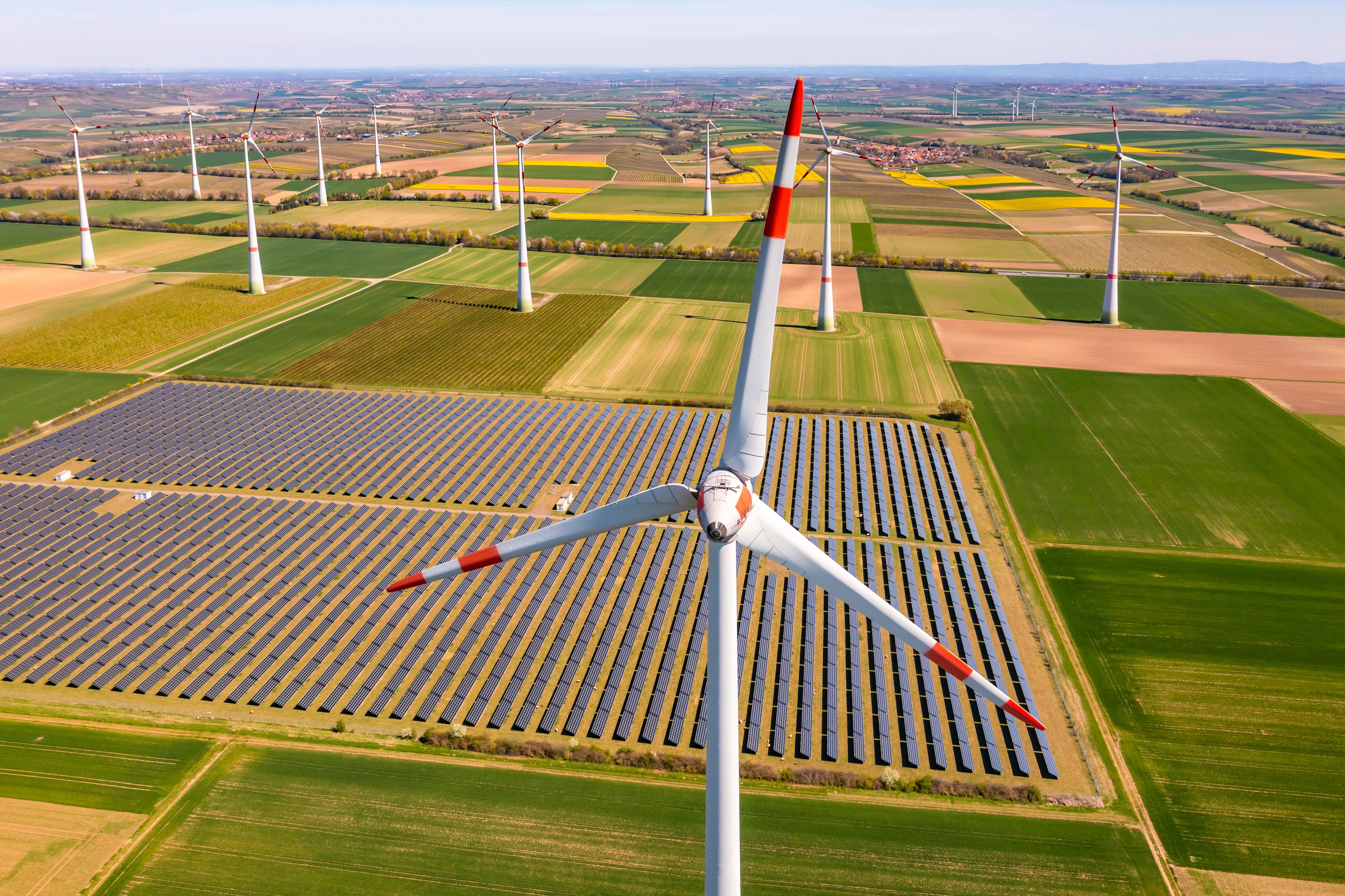
Although wind was weak in mid-September, it picked up by month-end, overall generation remained strong. Over the next ten days, wind speeds are expected to be well-above average, and wind generation is currently above average. Output is expected to increase and stay above seasonal norms.
Hydro generation held flat in September, though the shortfall against historical levels narrowed slightly. Reservoir levels increased this month, and precipitation is expected to be at average levels in October. We therefore expect hydro generation to improve but remain below seasonal levels next month, with only a limited downward impact on EUA demand.
Power demand will increase mildly
Power demand fell m/m in September, further widening the gap with the historical average.
Our Q3 steel profitability measure was upgraded slightly, mainly due to supply-side factors, while our Q3 GDP and broader economic forecasts continue to point to calm EU conditions. Above-average temperatures are expected to suppress heating demand in October without significantly increasing cooling demand. We expect a mild uptick in power demand next month, though the increase should fall short of the usual seasonal rise – a shortfall that is expected to exert modest downward pressure on EUA demand.
More gas-to-coal switching expected
Gas prices spiked again in September, while coal prices increased only marginally. The divergent price movements led to gas-to-coal switching, putting upward pressure on carbon prices. Looking ahead, we expect the price of both fuels to ease next month, with coal falling slightly more sharply and gas remaining at elevated levels. Coal use is already high, but some capacity remains for further uptake. Switching is therefore likely to continue into October.
Nuclear power will recover in October
Nuclear output was little changed in September, edging down only marginally m/m. The sole disruption was short-lived – Bugey Unit 2 was taken offline on Friday, 18 September, at the request of grid operator RTE, in response to rising Rhône River temperatures, before returning to service on 20 September.
Absent any heatwave and with average rainfall expected, we anticipate a modest seasonal rebound in nuclear generation next month, which should weigh only slightly on EUA demand.
If you want to hear more about our short-, medium- or long-term carbon price forecasts, or access our CBAM quarterly certificate price forecast, see our Energy Transition and Decarbonisation service or directly request a demo here.
© CRU. All rights reserved. This content may not be copied, reproduced, republished, distributed, or otherwise used, in whole or in part, without CRU’s prior written permission. Please refer to CRU's Terms and Conditions.