Battery Sector


Understand the Battery Sector
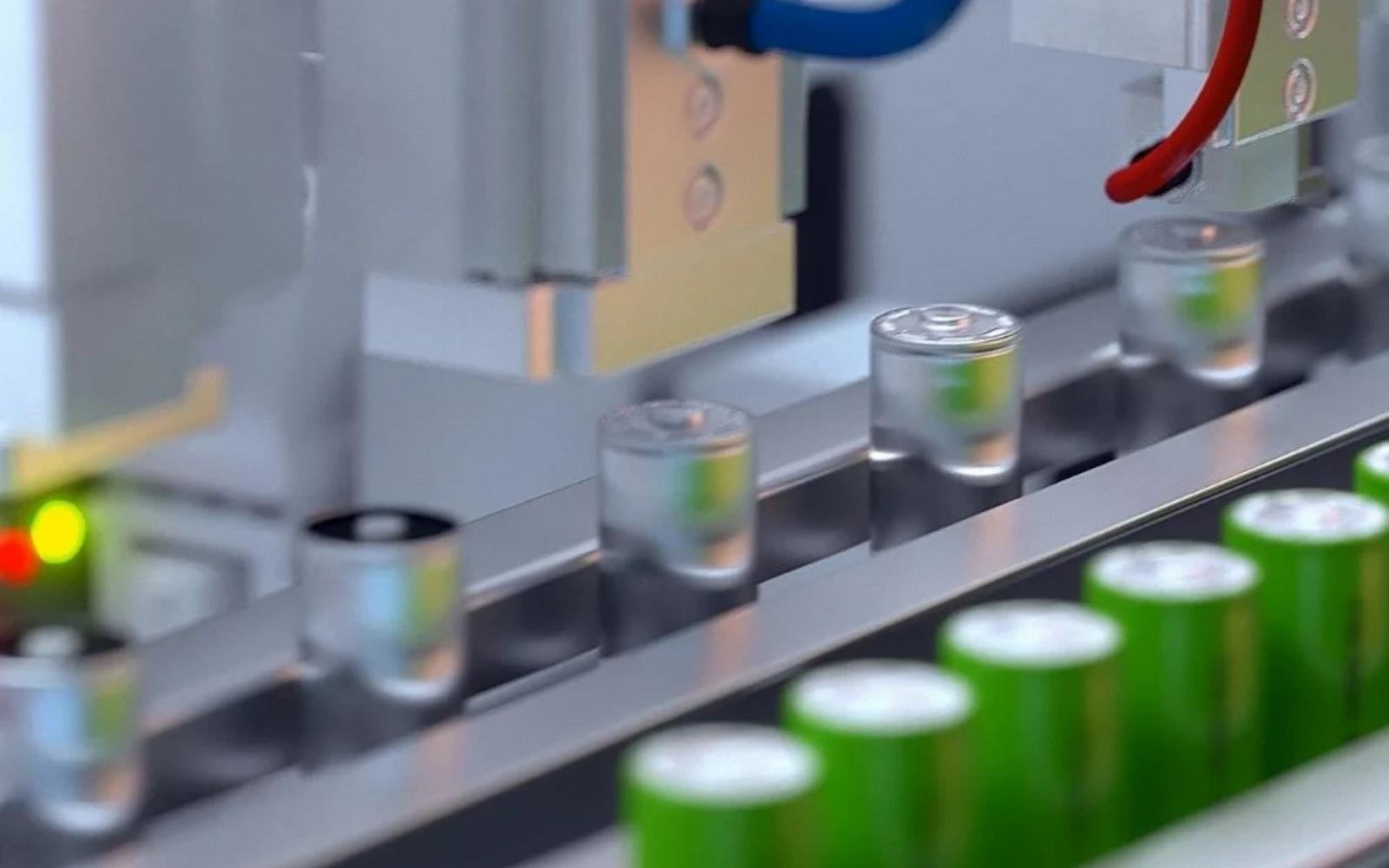
The battery sector is evolving rapidly as demand grows across electric vehicles and energy storage. At the same time, changing material markets, supply chains, technologies and production costs are reshaping the industry.
CRU provides independent insight across the battery value chain, connecting developments in battery materials with technology, manufacturing and the end markets driving demand.
Make Sense of a Changing Battery Market
Battery markets are interconnected. Changes in material prices can affect production costs, technology choices can reshape material demand, and developments in manufacturing and end markets can alter the competitive landscape.
CRU brings these dynamics together to help businesses understand what is changing and what it means for decisions across the battery value chain.
Understand Market Fundamentals
Analyse the supply, demand, prices and market developments, shaping battery materials and the wider battery value chain.
-
Assess costs and competitiveness: Understand how raw materials, manufacturing processes and other inputs influence battery production costs and competitiveness.
-
Track technology and market change: Follow developments in battery technologies and manufacturing, alongside the market forces influencing their adoption.
-
Look ahead with connected forecasts: Understand how changes across materials, techn.ology and end-use demand may shape the battery market
Frequently Asked Questions
Our battery value chain service covers the interconnected stages involved in producing and using batteries, from raw materials and processed battery materials through to components, cell production and end-use markets such as electric vehicles and energy storage. CRU provides analysis across the battery value chain, connecting developments in materials, technology, production costs and market dynamics.
Battery technologies use different combinations of materials depending on their chemistry and design. Key battery materials covered by CRU include lithium, nickel, cobalt, manganese, graphite, silicon and phosphates. CRU’s coverage extends beyond raw materials to anodes, cathodes, battery cells and the end markets driving demand.
Battery cell production costs are influenced by factors including raw material prices, battery chemistry, component costs, manufacturing processes and regional production conditions. Changes in these inputs can affect the cost and competitiveness of different battery technologies.
Battery material prices can affect battery production costs and the economics of the wider battery value chain. Because different battery technologies use different combinations of materials, changes in material markets can also influence the relative competitiveness of battery technologies.
Battery materials and battery technology are closely connected because different battery chemistries require different combinations and quantities of materials. Changes in battery technology can therefore reshape material demand, while material prices and availability can influence battery costs and technology choices.
A Broader View of the Battery Market
Speak to our experts about CRU’s independent data, analysis and expertise across the battery value chain.
Why Choose Us?
CRU supports companies transitioning to clean technologies by providing detailed market analysis, insights into raw material demand, and forecasts on emerging technologies. We help businesses navigate the complexities of decarbonisation, supply chain shifts, and regulatory changes, enabling them to make informed decisions that align with sustainability goals and market demands.
Battery Technology and Cost Model
Bottom-up battery cost modelling for cell producers and OEMs. Benchmark battery bill of materials and process costs against cells in the market.
Learn More
Low Emissions Hydrogen and Ammonia
Low-emissions hydrogen and ammonia analysis. Explore cost, demand and market developments across key end-use sectors. Click for key market insights!
Learn More
Battery Value Chain Service
Battery Value Chain service combining supply, demand, price and technology intelligence across the battery value chain, for strategy teams. Request a demo.
Learn More
Specialty Phosphate Service
A full view of the high-grade emerging phosphate market. With data rich industry analysis, insight into the growth of the emerging Lithium Iron Phosphate sector, the role of phosphate within LFP, LFMP and the growth and demand for specialty phosphates
Learn More
Energy Storage Technology and Cost Service
Energy Storage Technology and cost service delivering cost, price and battery energy storage market intelligence across LFP and sodium-ion technologies for manufacturers and procurement teams.
Learn More
Lithium Asset Service
Gain trusted insight into lithium mining and refining — from production and cost structures to financial performance and asset competitiveness.
Learn More
Discover The Difference We Make
OR
- Automotive
- Battery Sector
- Chemicals Sector
- Clean Technologies
- Construction and EPC Contractors
- Consumer Goods and Retail
- Fertilizer Industry
- Financial Services, Investors and Traders
- Government and Policy Makers
- Healthcare Equipment/Infrastructure
- Manufacturing and Fabrication
- Mining and Metal Production
- Power, Energy, Renewables and Utilities
- Professional Services
- Wire and Cable