The article below is an edited version of an Insight originally written by Forrest Levy. Read the full Insight here or speak to a CRU expert about market intelligence and analysis relevant to your organisation.
The November 2026 US midterms represent a moderate upside for solar and storage, but the policy outlook remains mixed. Electricity affordability concerns and state-level results may support deployment, while data centre opposition could dampen near-term battery energy storage system (BESS) demand.
Why could data centre restrictions and opposition affect battery storage demand?
Data centre opposition could dampen near-term BESS demand because data centres are expected to be an important driver of US battery storage buildout.
Exit polling showed that 56% of voters considered data centres a major or crucial factor in how they voted. Georgia governor-elect Keisha Lance Bottoms called for an immediate statewide freeze on data centres. Texas governor-elect Gina Hinojosa also called for an immediate moratorium until the state legislature could establish protections. According to CRU data, the two states account for nearly 25% of data centres expected to be built by the end of 2027.
Of 39 data centre-specific referendums on 3 November, 38 voted for some form of moratorium or restriction; many anti-data centre initiatives received more than 70% of the vote.
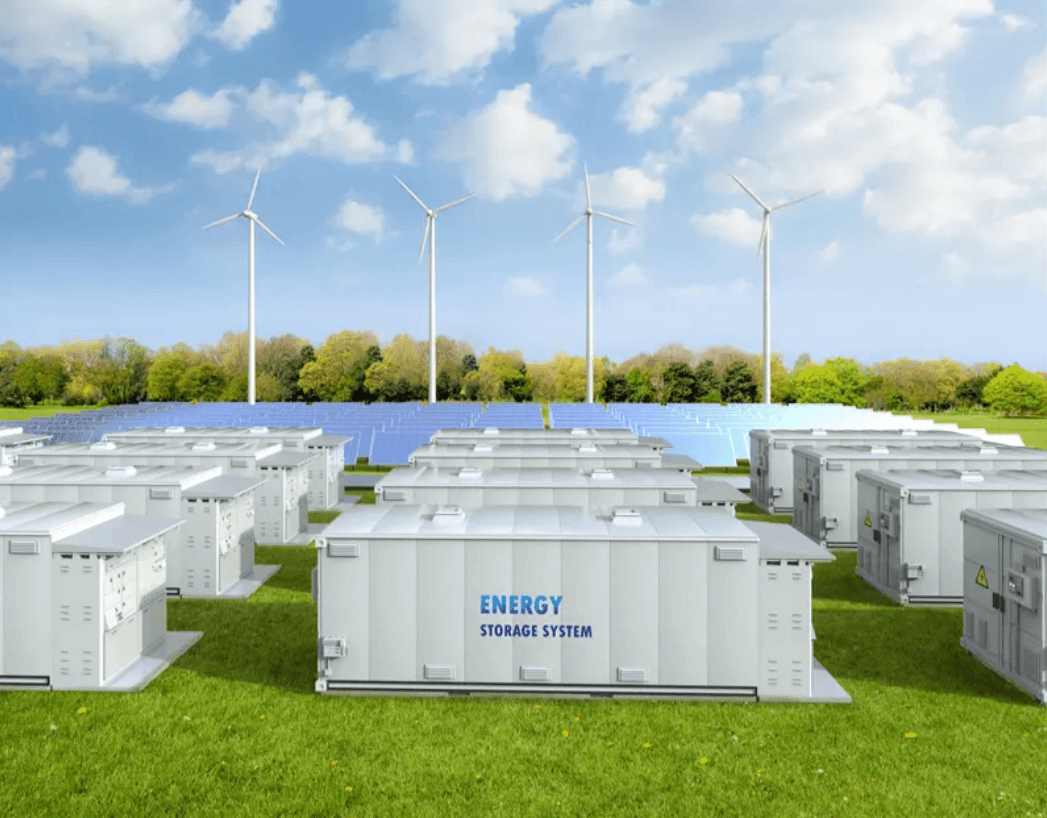
CRU’s Energy Storage Technology and Costs Outlook, published before the midterms, forecast that more than one-third of US grid-scale BESS deployed in 2030 would support data centre demand, primarily from inference applications. Extended moratoriums could slow data centre BESS buildout and pose a near-term demand risk.
Could rising electricity prices support solar and storage deployment?
Electricity affordability was a key campaign issue and may support solar and storage deployment.
US residential electricity prices rose 13.9% from when President Trump was inaugured to August 2026. In states that flipped a Senate seat, excluding Mississippi and Alaska, the average increase was more than 20%. Although not the only factor, above-average increases were a notable example of cost pressures that hurt incumbents.
What do the midterm results mean for clean energy policy?
The election leaves uncertainty over federal legislation and clean energy tax credits.
The results are likely to embolden Democrats to push for more clean energy support and fewer oil and gas pipelines in the proposed Bipartisan American Affordability and Jobs Act (BAAJA), putting the bill at risk. Its passage could speed up permitting for energy projects and transmission lines, potentially lowering costs for solar and storage. However, its passage remains uncertain.
The industry is divided over the potential return of solar and storage tax credits. Many large developers oppose reinstating the original Inflation Reduction Act structure, preferring to compete without ongoing policy support. Smaller developers and many behind-the-meter installers favour an extension amid headwinds including trade actions.
Industry support is stronger for expanding the Section 45X production tax credit. CRU modelling shows that a BESS using US-made components remains significantly more expensive than a comparable system using Chinese components, even when tariffs and tax credits are included. Expanding 45X is one tool policymakers could use to help the industry remain competitive.
How could US state elections influence renewable energy deployment?
State-level results could create a more favourable environment for clean energy deployment. From January 2027, nearly 75% of Americans will live in a state with a Democratic governor; Democratic leaders have historically been more supportive of clean energy development.
New leadership in Texas and Nevada could further bolster buildout. Ohio governor-elect Dr Amy Acton campaigned partly on lowering electricity costs through low-cost renewable energy. In Texas, new state leadership could bolster solar and storage deployment after previous proposals to restrict development.
CRU describes the state-level results as a mild, not transformative, upside. For developers, the key question is whether political shifts lead to concrete policy changes.
What should solar and energy storage market participants watch?
The policy outlook offers no clear message on short- to medium-term solar and storage impacts. State-level support could encourage grid-connected buildout, while data centre deployment in Texas and Georgia could falter. Federal results may create opportunities for manufacturing support and limit further repeals of clean energy tax credits.
CRU identifies price changes, data centre demand and policy updates as key developments for clients to monitor.
Speak to a CRU expert to understand the costs, technologies and market developments shaping the energy transition.
Explore related services from CRU: