Carbon prices settled at ~€83 /tCO₂ last month, in line with our forecast. Our base case projected prices rising to this level, supported by bullish fundamentals and potential upside from an easing of the US–Iran conflict. For next month, bullish long-term trends are expected to offset bearish fundamentals, driven by strong wind forecasts and recovering nuclear output, keeping carbon price stable.
In August, fundamentals were mixed – although wind generation recovered towards the end of the month, overall output remained weak, while nuclear generation underperformed as high water temperatures and low river levels constrained cooling capacity. Power demand fell m/m but deteriorated only slightly against historical levels compared with July. Despite gas prices rising more than coal, the EU fuel mix shifted marginally towards the former. Although we do not expect the US-Iran conflict to resolve before the end of September, Iran and Oman’s 25 August discussions, on a temporary navigational corridor through the Strait of Hormuz, provided a positive signal. Oil prices subsequently fell by more than 3% to a one-week low.
Looking ahead, we expect only a modest seasonal increase in power demand next month, alongside hotter-than-average temperatures and a resilient economic outlook. Strong wind forecasts and recovering nuclear generation should push output higher, while hydropower remains weak and gas-to-coal switching will be limited. Our long-term carbon price outlook remains on an upward trend and, with prices having reached ~€86 /tCO₂ before the US-Iran conflict re-escalated, this signals a bullish momentum. We expect carbon prices will be broadly stable in September, while any easing of US-Iran tensions could provide some upside.
You can learn more about our CBAM quarterly certificate price forecast from our Energy Transition and Decarbonisation service, or directly request a demo here.
September will see strong wind
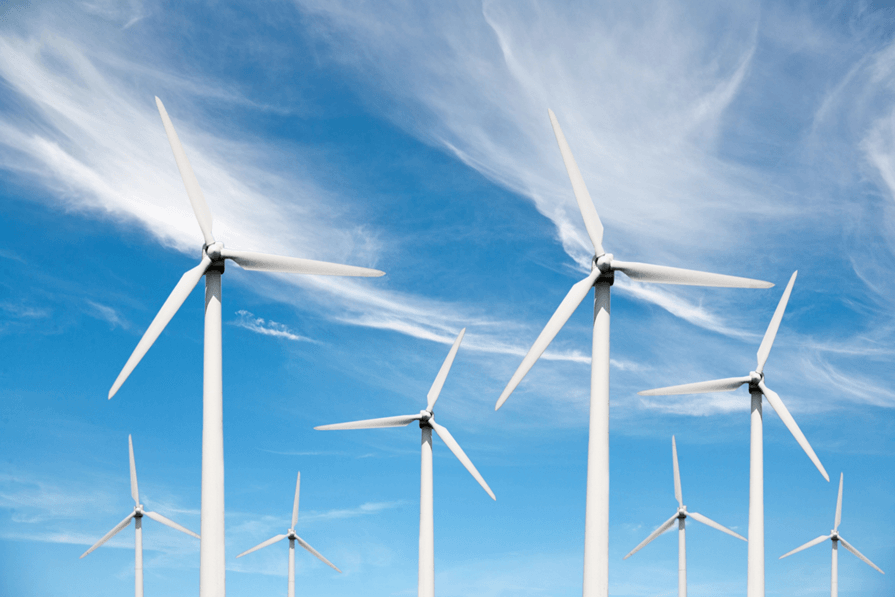
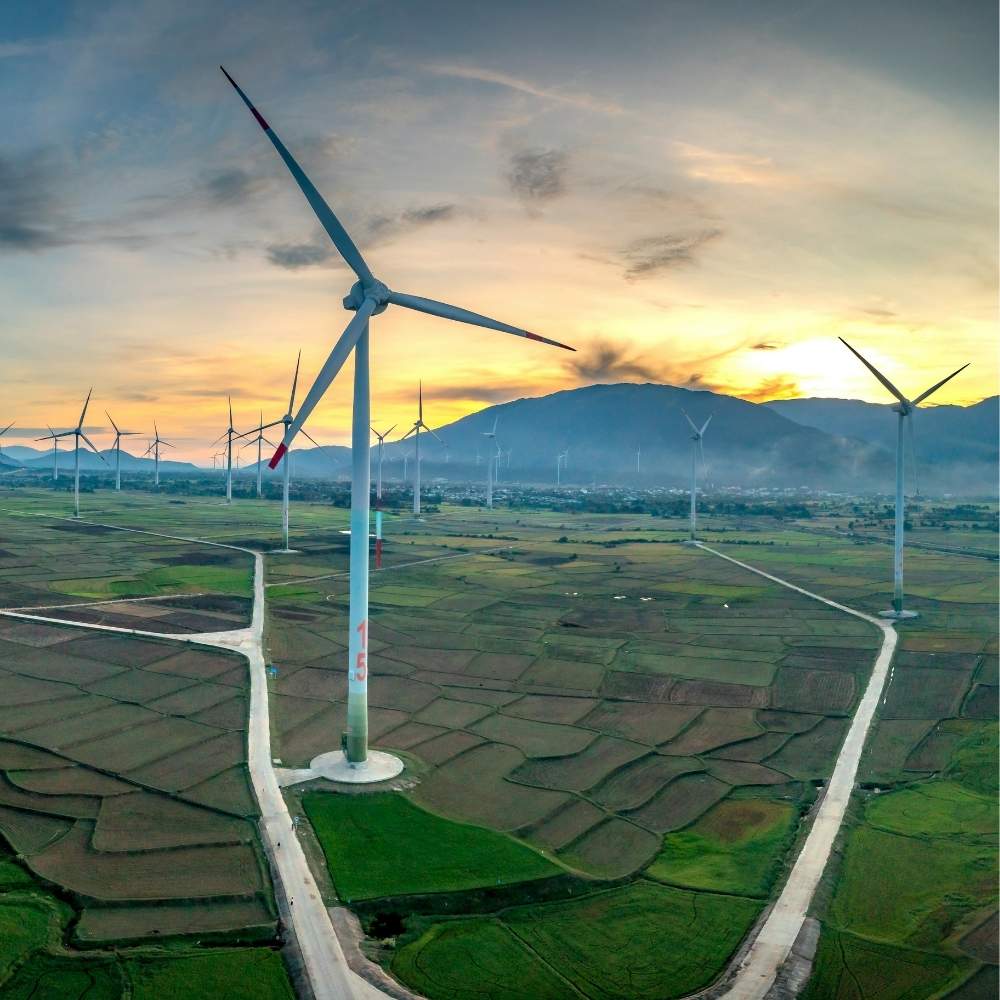
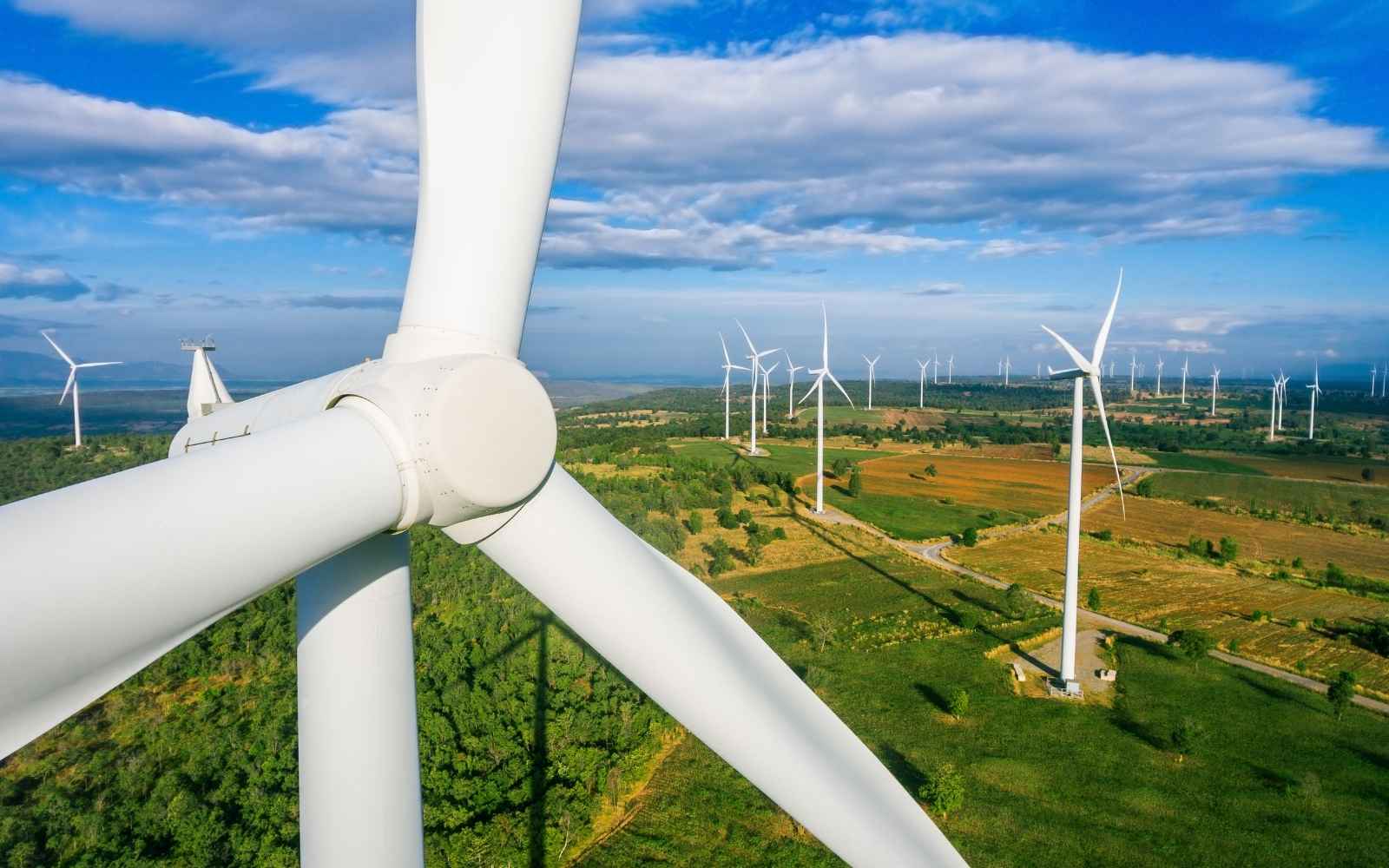
Although wind picked up towards the end of August, overall generation remained weak, with the deficit (compared to historical levels) widening significantly. Over the next ten days wind speeds are expected to be above average. Wind generation is currently below average. Output is expected to increase and partially recover, but it will stay below seasonal norms, narrowing the gap.
Dry conditions persisted in August, keeping hydro output well-below seasonal levels and pointing to continued water supply constraints. Although precipitation is expected to return to average levels in September, this is unlikely to provide sufficient improvement in reservoir conditions after the prolonged dry period. We therefore expect hydro generation will remain below seasonal levels next month, with only a limited impact on EUA demand.
Power demand will increase mildly
Power demand fell m/m in August, widening its deficit (compared to the historical average) only slightly from July. This suggests a resilient economic outlook despite the US-Iran conflict.
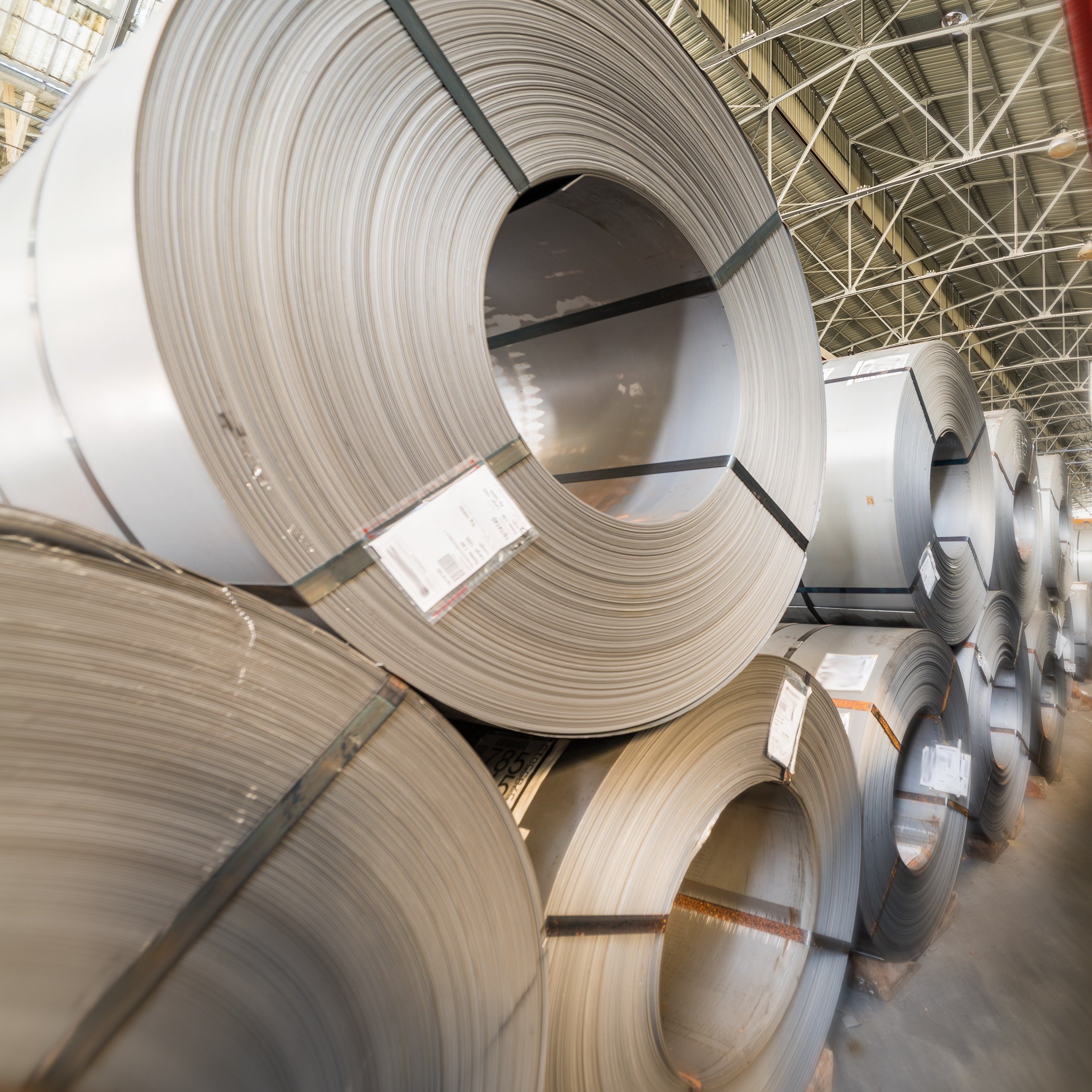
Our Q3 steel profitability measure was upgraded slightly, mainly due to supply-side factors, while our Q3 GDP and broader economic forecasts continue to point to resilient EU conditions. Above-average temperatures are expected to suppress heating demand in September without significantly increasing cooling demand. Overall, we expect power demand to rise modestly, in line with seasonal patterns.
Minor gas-to-coal switching expected
Gas prices spiked as US-Iran tensions re-escalated, while coal prices rose only marginally. Despite this divergence, German gas usage increased, relative to coal, as low water levels on the Rhine and Danube disrupted coal logistics. Across Europe, gas demand remained broadly stable, while coal usage edged higher.
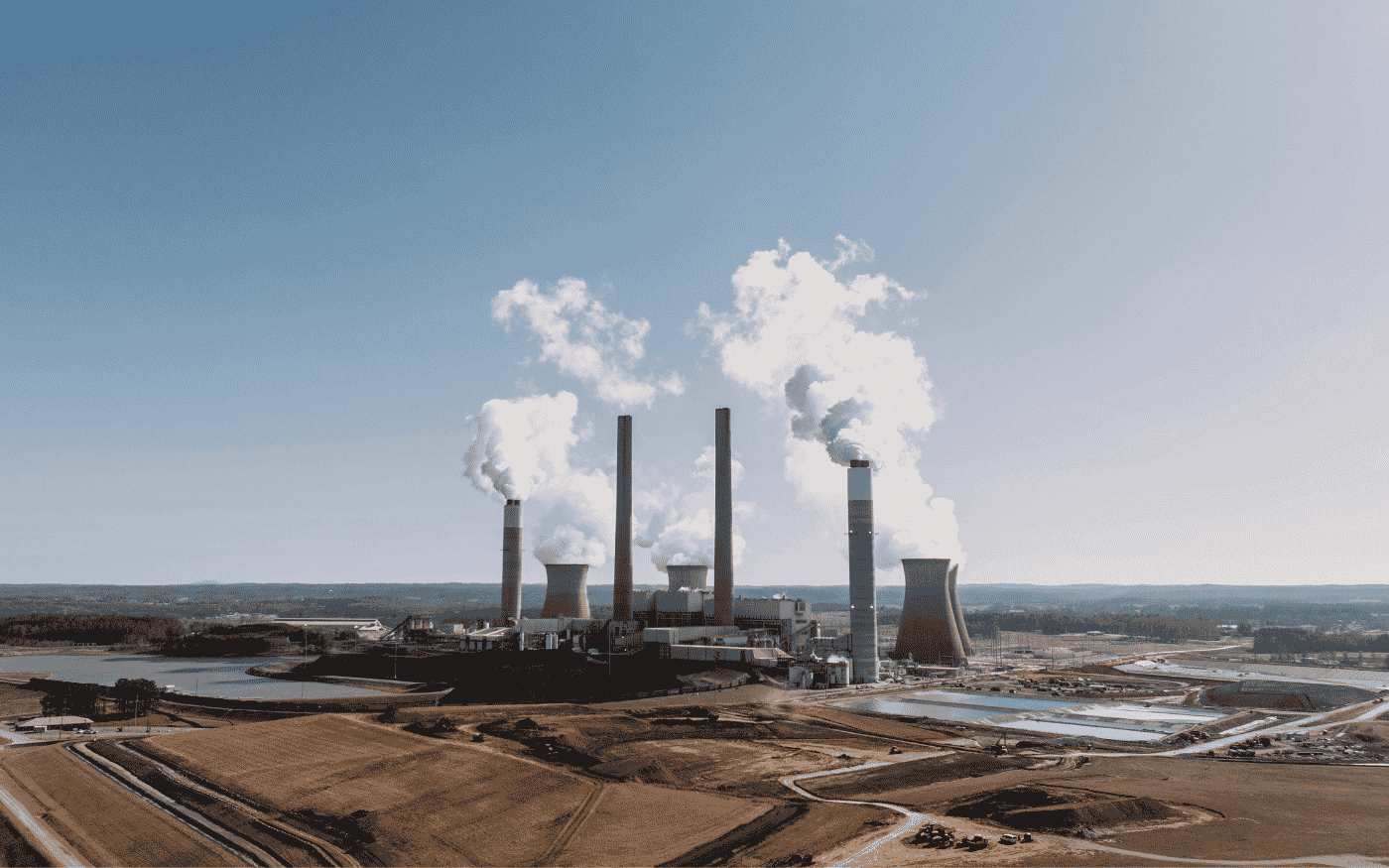
Average rainfall in September should improve river levels, although it will not be able to fully replenish them. Although gas prices are expected to fall slightly faster than coal prices, improved coal logistics should support a modest shift in generation from gas to coal. Overall, minor gas-to-coal switching is expected next month.
Nuclear power will recover in September
Nuclear generation was weaker than expected, finishing the month further below the seasonal average than in July. In France, several reactors were curtailed or shut down in mid-August as high river temperatures breached thermal discharge limits, although most returned to service within days after the regulator relaxed some operating rules to support grid stability. Low river levels in Europe, caused by this summer’s drought, affected nuclear generation. In Romania, low Danube levels forced both units at the Cernavodă plant offline, with no confirmed restart date. With no heatwave expected and an average rainfall forecast, nuclear output should recover modestly next month.
If you want to hear more about our short-, medium- or long-term carbon price forecasts or access our CBAM quarterly certificate price forecast, see our Energy Transition and Decarbonisation service or directly request a demo here.
© CRU. All rights reserved. This content may not be copied, reproduced, republished, distributed, or otherwise used, in whole or in part, without CRU’s prior written permission. Please refer to CRU's Terms and Conditions.