

Understand the Steel Market Behind your Manufacturing Costs
If you buy hot-rolled coil, the relevant hot rolled coil price assessment for the US Midwest may provide a market reference when reviewing supplier quotes. Its relevance depends on whether its product specification and geographic scope match your purchase.
When reviewing the steel price US suppliers reference or using a metal forecast to inform purchasing assumptions, confirm how the information relates to your materials and sourcing regions. If you buy steel through finished components, first establish whether the steel price is a direct input to your purchasing decision.
CRU stays up to date with developments across global steel markets, combining current analysis with price assessments and forecasts. For manufacturers, this means being able to examine a supplier’s price reference, understand the market behind it and bring a forward view to purchasing discussions.
Our published carbon steel methodology explains how relevant assessments are produced, so your team can evaluate the evidence it uses in negotiations and contract reviews.
Support Important Sourcing and Cost-Planning Decisions
For manufacturers of vehicle parts, structural metal products, forgings, stampings, agricultural or mining equipment, and HVAC or refrigeration equipment, steel requirements vary by product design and supply chain. Start with the materials your business purchases or specifies, not a standard purchasing basket for the whole sector.
Purchasing and supplier negotiations
Assess supplier price changes against references relevant to your material, specification and sourcing region. Prepare for negotiations and contract renewals with market context that fits your purchasing arrangements, whether sourcing is managed centrally or by individual plants.
Material-cost planning and steel forecasts
Connect market developments with the steel inputs behind your production costs. CRU’s steel analysis and forecasts can add perspective to purchasing plans, budgets and contract reviews alongside production requirements, lead times and spot or contract exposure. Forecast coverage and access depend on the service selected.
Specification and supplier alignment
Establish who specifies the material, who selects the supplier and who purchases it. Align purchasing, engineering and operations around the relevant product form, grade and region, particularly where steel is purchased through components or assemblies.
CRU Steel Price Assessments and Market Analysis Coverage
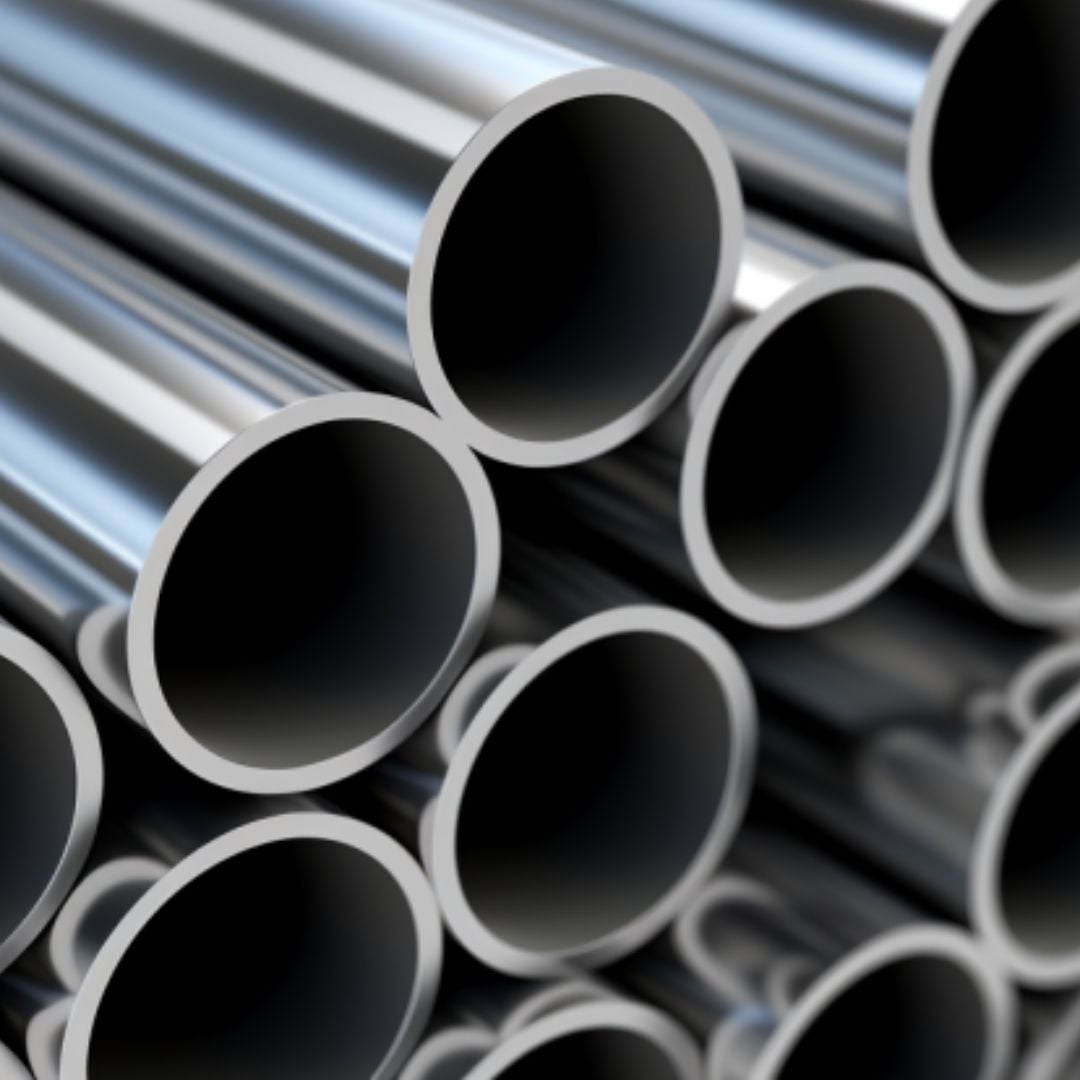
Bring market context to supplier negotiations
When a supplier changes its quotation, understanding the market reference behind that change can help your team prepare for the discussion.
For manufacturers purchasing US Midwest hot-rolled coil, The CRU provides a weekly, transaction-based price index. Review its specifications and methodology alongside the material, location and commercial terms in your quotation.
If you purchase components rather than coil, an HRC reference may provide context for the steel element of a supplier’s costs. It does not represent the full component price, which may also reflect processing, labour, freight and other inputs.
Beyond HRC, CRU’s steel coverage includes sheet, plate, long products, stainless steel flat products, metallics and steelmaking raw materials. Explore relevant price assessments, monitors and forecasts for the materials you purchase directly or that contribute to your components’ costs.
FAQs
It may provide context for the steel-related element of a supplier’s quotation. However, a raw-steel assessment does not represent the complete cost of a finished component or assembly. Consider fabrication, labour, freight and other inputs alongside the material reference.
Ask which assessment, product specification, geographic market and reference period the supplier uses. Compare those details with the material and terms in your quotation. For US Midwest HRC, review The CRU price index and its methodology.
A forecast can add a forward-looking perspective to material-cost assumptions, purchasing plans and contract discussions. Use it alongside production requirements, supplier agreements and internal scenarios not as a guarantee of future prices. Relevant coverage depends on the service selected.
Relevant assessments, historical movements and analysis can help your team prepare evidence for discussions about material-price changes. Consider them alongside specifications, volumes, delivery requirements and commercial terms.
CRU publishes separate methodologies for carbon steel, stainless steel and steelmaking raw materials and thermal coal. Review the guide relevant to your materials to understand its specifications, geographic scope and assessment process.
Coverage, publication frequency, historical information, forecasts and authorised access depend on the service and agreement. Confirm the relevant series and inclusions before subscribing.
CRU offers licensing for commercial contract use. Subscription access alone should not be assumed to cover contractual use or external sharing. Review our licensing information and confirm the permissions required.
CRU offers licensing for commercial contract use. Subscription access alone should not be assumed to cover contractual use or external sharing. Review our licensing options to confirm the permissions required.
Yes. Contact your CRU account manager to review your existing access against the products, markets and decisions relevant to your business.

Discuss your Steel Sourcing and Pricing Requirements
Whether you’re preparing for supplier negotiations, reviewing a purchasing contract or updating material-cost assumptions, start with the steel forms, grades and sourcing regions that matter to your business.
Alongside steel prices and steel market analysis and forecasts, CRU offers events and webinars to help your team stay informed as market conditions change.
Tell us whether you purchase steel directly or through components and assemblies, so we can help identify the coverage relevant to your materials and supplier discussions.

CRU Risk Navigator
A broader risk perspective for manufacturing material requirements
Changes in raw-material prices and availability can affect production costs and sourcing plans. CRU Risk Navigator brings risk assessments and supporting context for tracked materials into one view, helping manufacturing teams identify where closer attention may be needed before supplier negotiations or purchasing-contract reviews.
Learn moreWhy Choose CRU?
A steel price is more useful when you understand what it represents, what is driving it and how the market may develop. CRU brings these perspectives together to support your manufacturing sourcing and cost-planning discussions.
Our Approach
Learn More
Data
Learn More
Insight
Learn More
Communities
Learn More

